




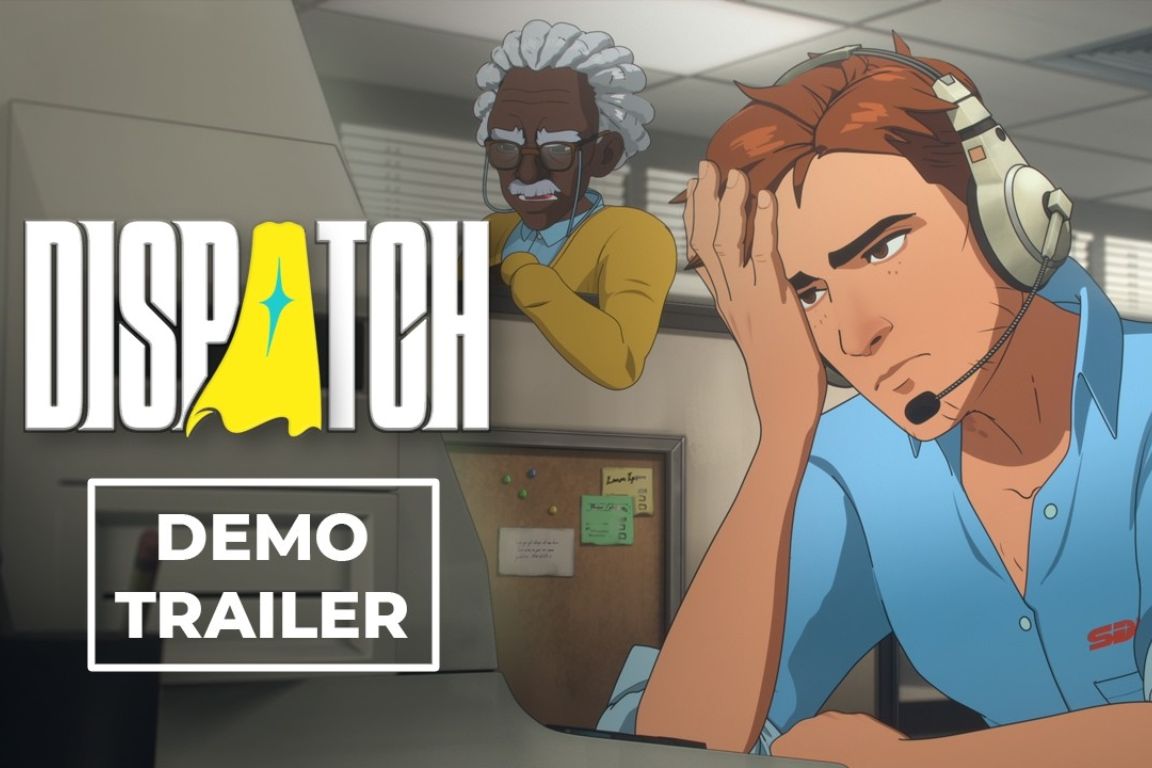
Creating a video game that looks better than most television shows sounds like a dream achievement, until you realize what gets sacrificed to make that vision reality. Adhoc Studio’s superhero workplace comedy Dispatch has captured attention for its gorgeous animation quality and unique episodic structure, but behind those polished visuals lies a story about the brutal choices independent developers face when pursuing excellence on limited resources.
The game has become an unexpected sensation, moving over one million copies within its first ten days of availability. That success brings both validation and a tinge of regret for the development team, who now openly discuss the content they left on the cutting room floor. Among the casualties of budget constraints were multiple intimate scenes between characters, moments that would have deepened relationships and added layers to the romantic storylines players have embraced enthusiastically.
The romance debate that refuses to die
Video game romance remains one of the most divisive elements in interactive entertainment. Some studios actively minimize romantic content, believing it distracts from core gameplay or creates unnecessary complications. Others lean into emotional connections between characters, recognizing that many players seek meaningful relationships within virtual worlds just as much as they crave action and adventure.
Baldur’s Gate 3 demonstrated the commercial viability of embracing mature romantic content, allowing players to pursue various relationships with surprising depth and frankness. That Larian Studios title normalized intimate character moments in ways that felt organic rather than gratuitous, proving that audiences appreciate authenticity over sanitized interactions.
Dispatch positioned itself somewhere in this spectrum, incorporating romantic elements and not shying away from mature themes. The game features nudity and explores adult relationships between its superhero characters navigating workplace dynamics. However, the final product represents a compromised vision rather than the developers’ complete artistic intent. Several planned intimate sequences never made it into the released episodes, decisions the writing team now second-guesses.
Animation quality comes with invisible price tags
The visual fidelity Adhoc Studio achieved with Dispatch genuinely rivals professional animation studios working on streaming series. Characters move with fluid naturalism, facial expressions convey subtle emotional nuances, and action sequences maintain cinematic energy throughout. This level of polish doesn’t happen accidentally or cheaply, and therein lies the central tension facing ambitious independent developers.
Every second of animation at this quality level demands significant financial investment. Motion capture, detailed rendering, lighting work, and countless revision passes accumulate costs that can quickly spiral beyond initial projections. For an indie studio without the deep pockets of major publishers, these realities force constant triage decisions about what stays and what gets cut.
The removed intimate scenes represent just one category of content that fell victim to budgetary mathematics. The development team maintains extensive lists of features, polish improvements, and story beats they wished they could have included. These aren’t frivolous additions but elements that would have enriched the experience and better realized their creative vision. The gap between what developers imagine and what they can afford to produce remains one of gaming’s most persistent challenges.
Episodic gaming’s renaissance moment
Dispatch’s release structure deserves examination as a potentially influential model for future projects. Rather than dropping all content simultaneously or spacing episodes months apart, Adhoc released new installments weekly. This cadence keeps the title actively discussed across social media and gaming communities, building momentum rather than allowing interest to dissipate between releases.
The approach proves particularly effective for short-form video content that dominates platforms like TikTok, YouTube Shorts, and Instagram Reels. Players can experience an episode, share memorable moments, and anticipate the next release without waiting so long that they move on to other entertainment. This sweet spot between binge-release and traditional episodic pacing might represent an ideal middle ground for narrative-driven games.
Traditional episodic gaming attempts have struggled historically. Telltale Games pioneered the format but often faced criticism for lengthy gaps between episodes that cooled audience enthusiasm. When players wait four or five months for continuation, they forget plot details and emotional connections fade. Weekly releases maintain narrative momentum while giving studios manageable production schedules.
The million-copy surprise nobody predicted
Success at the scale Dispatch achieved catches even optimistic developers off guard. Moving seven figures worth of copies in less than two weeks validates the team’s creative decisions while simultaneously highlighting missed opportunities. Had they anticipated this level of reception, different choices about content inclusion might have been made.
The enthusiastic response to romantic elements particularly surprised the studio. Players didn’t just tolerate these storylines but actively embraced them as meaningful components of their experience. This disconnect between developer expectations and audience priorities illustrates how difficult predicting player preferences can be, even for experienced teams.
This gap creates an interesting dilemma for potential future content. With clear demand for more romantic depth and the knowledge that originally planned scenes were removed, the question becomes whether those sequences could be restored in expanded editions, director’s cuts, or future seasons. The technical infrastructure exists since the scenes were conceptualized and potentially partially developed before being cut.
What cutting room floor content reveals about game development
The concept of deleted scenes fascinates audiences across all entertainment mediums. Film buffs obsess over director’s cuts and extended editions. Television shows release DVD collections with bonus content. Gaming has traditionally offered less transparency about what gets removed during development, though growing developer openness through social media and interviews has changed that dynamic.
Knowing that Dispatch contains only a fraction of what the creative team envisioned transforms how we evaluate the final product. The game we’re playing represents not the complete artistic vision but rather the achievable subset that budgets and timelines permitted. Every piece of interactive entertainment exists in this constrained space, but few developers discuss these limitations as candidly.
This honesty serves multiple purposes. It manages audience expectations about indie production realities, builds goodwill through transparency, and potentially generates interest in expanded content if opportunities arise. Players who love Dispatch now know that more material exists in concept form, creating demand for potential future releases that could include previously cut content.
The Critical Role connection and future prospects
While Dispatch’s performance opens doors for expanded content, Adhoc Studio already has commitments to fulfill. Their next project takes place within Critical Role’s Exandria setting, the fantasy world popularized by the influential actual-play streaming show. This collaboration brings built-in audience expectations and presumably different creative parameters than their original superhero IP.
Balancing multiple properties presents its own challenges for smaller studios. Resources that could go toward Dispatch season two must instead support the Critical Role project. However, strong sales from their superhero comedy provide financial cushioning that makes future projects more viable. Success breeds opportunity, even when it complicates production schedules.
The possibility of a second Dispatch season remains exactly that, a possibility rather than confirmation. Audience enthusiasm supports continuation, but practical considerations about budgets, timelines, and competing projects will ultimately determine whether the story continues. The episodic structure at least provides natural stopping points that don’t leave players with unresolved cliffhangers, even as it establishes threads that could extend into future seasons.
The maturity conversation gaming still needs to have
Discussions about sexual content in video games often become reductive, framing mature themes as either gratuitous pandering or necessary artistic expression. The reality exists somewhere between these extremes. Well-implemented intimate scenes can develop characters, explore relationships authentically, and treat adult themes with appropriate seriousness rather than adolescent giggling.
Dispatch apparently struck a balance that worked for its tone and narrative goals, even in the compromised form that shipped. The removed content wouldn’t have necessarily improved the experience simply by existing. Context, execution, and narrative integration matter far more than raw inclusion. However, when creative teams express regret about cutting material, it suggests they believed those moments served the story rather than functioning as mere titillation.
The gaming industry’s ongoing maturation requires honest conversations about how interactive entertainment handles adult relationships and intimacy. Films and television have established conventions and comfort levels with this content. Gaming still navigates uncertain territory, balancing creative expression against platform restrictions, rating board concerns, and diverse audience sensibilities.
When success validates risk-taking
Adhoc Studio took meaningful creative risks with Dispatch. They invested in animation quality that exceeded typical indie game standards. They embraced episodic structure when most developers opt for complete releases. They included mature themes and romantic content that some audiences might reject. They structured their comedy around workplace dynamics in superhero settings, a niche concept without obvious mass appeal.
These gambles paid off spectacularly, at least in commercial terms. Whether the artistic vision was fully realized remains debatable given the acknowledged compromises. But the market validated their approach decisively, proving that audiences hunger for distinctive voices and premium presentation quality even from smaller studios.
This success story offers encouragement for other independent developers considering ambitious projects that push beyond expected indie game parameters. It also serves as a reminder that commercial success alone doesn’t equal creative satisfaction. The team’s candid acknowledgment of what they wish they’d included suggests that financial achievement doesn’t erase regrets about unrealized artistic visions.
The tension between creative ambition and practical constraints defines independent game development. Every studio faces moments where perfect becomes the enemy of good enough, where shipping something excellent requires abandoning dreams of something extraordinary. Dispatch navigated these challenges to produce something special, even if it represents a compromise between aspiration and achievability.
The question moving forward is whether Adhoc can leverage their success to reduce those compromises in future projects. Will their next game include all the polish and content they envision from the start, or will new ambitions create new constraints requiring new sacrifices? Independent developers constantly walk this tightrope, balancing artistic vision against market realities and resource limitations.
Dispatch proves that indie studios can compete with major publishers on visual quality and storytelling craft. It also demonstrates that even successful projects carry the weight of what might have been. Perhaps that’s appropriate for a medium where interactivity means every experience represents one path through infinite possibility spaces. The version we played is one possibility. The uncut version with restored intimate scenes represents another. Both exist simultaneously in the quantum state of unrealized potential.
Would you want to see the removed content restored in a director’s cut or extended edition of Dispatch, or does the released version feel complete as is?