




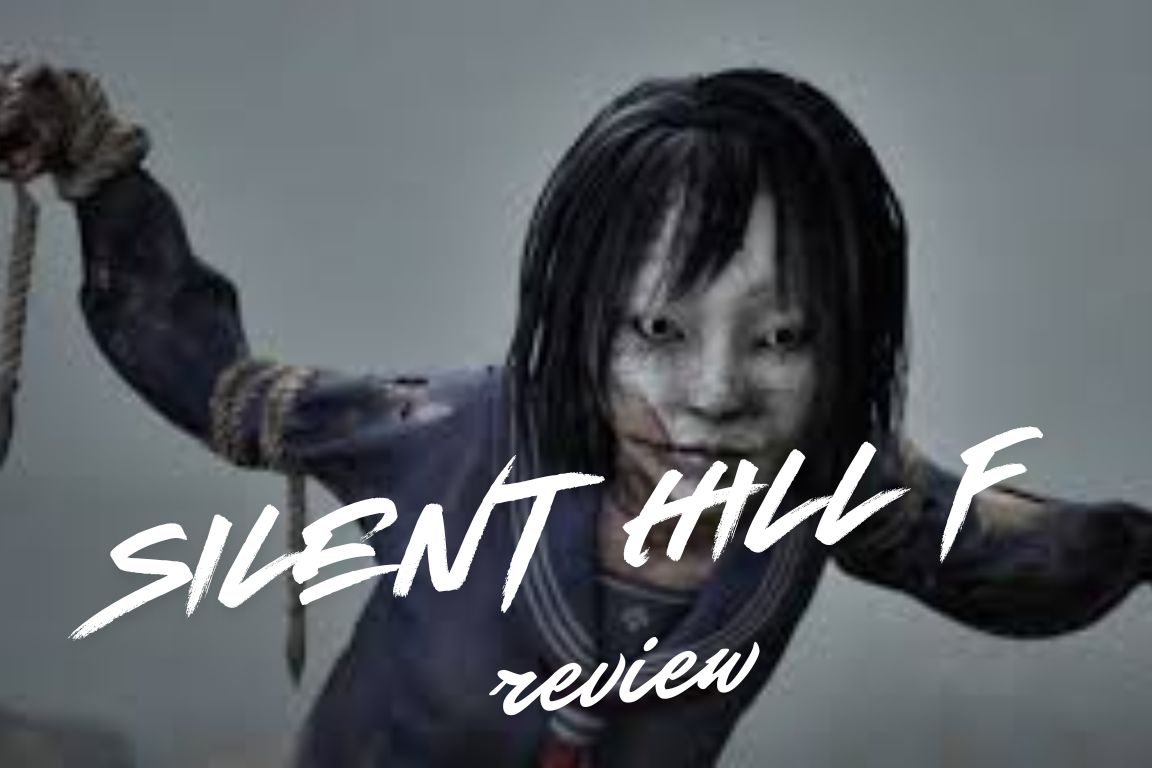
Horror fans have been starved for a proper Silent Hill experience for over a decade, watching the franchise stumble through canceled projects and misguided attempts at reinvention. Silent Hill f arrives not as an apology, but as a bold declaration that this series still knows how to make your skin crawl.
Set against the backdrop of 1960s Japan in the fictional town of Ebisugaoka, NeoBards Entertainment has crafted something that feels both refreshingly new and comfortingly familiar. This isn’t a reboot trying to erase what came before, nor is it a nostalgic retread that refuses to evolve. Instead, Silent Hill f walks a tightrope between honoring the franchise’s psychological horror roots while pushing the series into unexplored cultural and narrative territory.
A protagonist worth protecting
Shimizu Hinako stands at a crossroads that many young adults will recognize, caught between societal expectations and personal desires. Fresh out of school, she faces mounting pressure to follow the traditional path of marriage and domesticity that seemingly destroyed her mother and drove her sister away. This setup could have been heavy-handed, but the game treats Hinako’s internal conflict with remarkable nuance.
What elevates Hinako beyond being just another horror game protagonist is her multifaceted personality. She’s simultaneously vulnerable and resilient, stubborn yet compassionate. The game never reduces her to a single trait or makes her frustratingly helpless in the way some horror protagonists can be. You genuinely want to guide her through this nightmare, not because the game tells you to care, but because the writing earns that investment organically.
Her relationships with friends Shu, Rinko, and Sakuko add layers of complexity to the narrative. Watching these familiar faces transform into something unrecognizable taps into a primal fear that goes beyond jump scares or grotesque monsters. The horror of losing someone while they’re still standing right in front of you permeates every interaction.
Puzzles that respect your intelligence
Silent Hill has always distinguished itself through cerebral challenges that force players to actually think rather than just react. Silent Hill f continues this tradition with puzzle design that strikes an impressive balance between accessibility and genuine challenge.
The three difficulty tiers for puzzles and combat allow players to tailor their experience. Opting for the harder puzzle settings reveals intricate riddles that require careful observation and logical deduction. These aren’t arbitrary roadblocks padding out playtime, they’re meaningful narrative devices that reveal character details and world-building elements organically.
Research notes scattered throughout Ebisugaoka aren’t just collectibles, they’re essential pieces of a larger puzzle that flesh out the town’s disturbing history. Learning about the settlement’s treacherous origins, its resistance to modern medicine, and the folklore surrounding foxes transforms what could have been simple fetch quests into compelling archaeological digs through a community’s darkest secrets.
The puzzle boxes in particular deserve recognition for cleverly disguising character development as gameplay mechanics. Deciphering how your friends communicate through coded messages or solving riddles that reflect their psychological states creates an intimate connection that pure cutscenes couldn’t achieve.
Exploration rewards the curious
Ebisugaoka itself functions as a character in this narrative, an almost-abandoned town that whispers secrets to those patient enough to listen. The urban layout encourages thorough exploration, with narrow passages between traditional Japanese houses and creative pathways around obstacles that constantly shift your understanding of the map’s geography.
The game smartly incentivizes exploration beyond simple completionist tendencies. Documents, letters, and notes left by vanished residents paint a portrait of a community with deep-rooted traditions and equally deep-rooted problems. Understanding the town’s obsession with foxes, its suspicion of outsiders, and its rigid social hierarchies isn’t just interesting background, it’s essential context that makes the horror more meaningful.
One particularly memorable discovery involves stumbling upon a family shrine hidden down a winding woodland path. What could have been an optional detour becomes a haunting encounter with an uncanny figure performing a traditional dance behind paper doors. The flickering light, the ritualistic movements, the realization that this stranger is actually someone you know, it’s these organic moments of discovery that create genuine dread far more effectively than scripted sequences.
Combat that adapts to your playstyle
The elephant in the room for longtime fans has been the increased emphasis on combat. Producer Motoi Okamoto’s comments about more action elements sparked understandable concern that Silent Hill f might abandon psychological horror for mainstream appeal. The reality is far more nuanced.
Silent Hill f offers remarkable flexibility in how you approach threats. Playing on Story Mode allows you to treat combat as an occasional necessity rather than the core experience. The dodge and counter mechanics exist for those who want them, but they’re far from mandatory. Enemies have limited sight ranges that make stealth a viable strategy, and the clam charm item shrinks their detection radius even further.
This flexibility means players can craft their own experience. Want to fight everything that moves? The game accommodates that with satisfying melee combat and a weapon upgrade system. Prefer to sneak past threats like a true survival horror experience? That’s equally valid and often more rewarding from a tension-building perspective.
The mandatory combat encounters in the shrine realm feel like concessions to players who crave action without forcing that playstyle on everyone else. Your weapons don’t degrade in these sections, a convenient but unexplained mercy that keeps the pacing smooth.
Hinako’s late-game weapon upgrade does tip the power balance significantly, transforming her into something far more formidable than traditional Silent Hill protagonists. While this arguably dilutes some of the helplessness that defines the genre, the narrative justification and sheer fun of wielding this new power somewhat compensates for the loss of vulnerability.
Atmosphere over spectacle
The major enemy encounters prioritize disturbing imagery and psychological revelation over mechanical challenge. These aren’t boss fights in the traditional sense, they’re showcases for exceptional monster design and musical composition that expose Hinako’s repressed fears and traumas.
Some might find these confrontations too easy, lacking the white-knuckle intensity of memorable boss battles. But judging them by action game standards misses the point. These sequences exist to unsettle and reveal rather than test reflexes. The grotesque transformations of familiar faces, accompanied by haunting soundscapes, create discomfort that lingers long after the encounter ends.
The fog-draped streets of Ebisugaoka capture that quintessential Silent Hill atmosphere, the persistent feeling of being observed even when nothing visible threatens you. The sound design deserves particular praise, with subtle audio cues and unsettling ambient noise that keep you perpetually on edge.
Honoring the past while embracing the future
Silent Hill f succeeds because it understands what made the franchise special without being enslaved to those expectations. The shift to 1960s Japan brings fresh cultural perspectives to familiar themes of guilt, trauma, and societal pressure. The puzzle design maintains the series’ cerebral challenge. The optional approach to combat respects different playstyles rather than forcing one vision on everyone.
NeoBards Entertainment has proven that Silent Hill can evolve without losing its identity. This isn’t a cynical reboot chasing trends or a safe sequel afraid to take risks. It’s a confident step forward that sets a new standard for what this franchise can achieve.
Final thoughts
Silent Hill f represents the franchise at a pivotal moment. It demonstrates that these games can adapt to modern expectations while preserving the psychological complexity and atmospheric dread that defined the original titles. Whether this signals a genuine renaissance for the series or a fleeting moment of excellence remains to be seen.
For now, we have a horror game that respects its audience’s intelligence, offers meaningful player choice, and tells a story worth experiencing. In an industry often criticized for playing it safe, Silent Hill f takes risks that mostly pay off.
Does Silent Hill f reclaim the franchise’s throne as the premier psychological horror series, or does it still have work to do before matching the untouchable classics?