![[decorative]](https://mixagame.com/wp-content/uploads/2025/10/cropped-mixagame-redwhite-logo-1024x256-1.png)
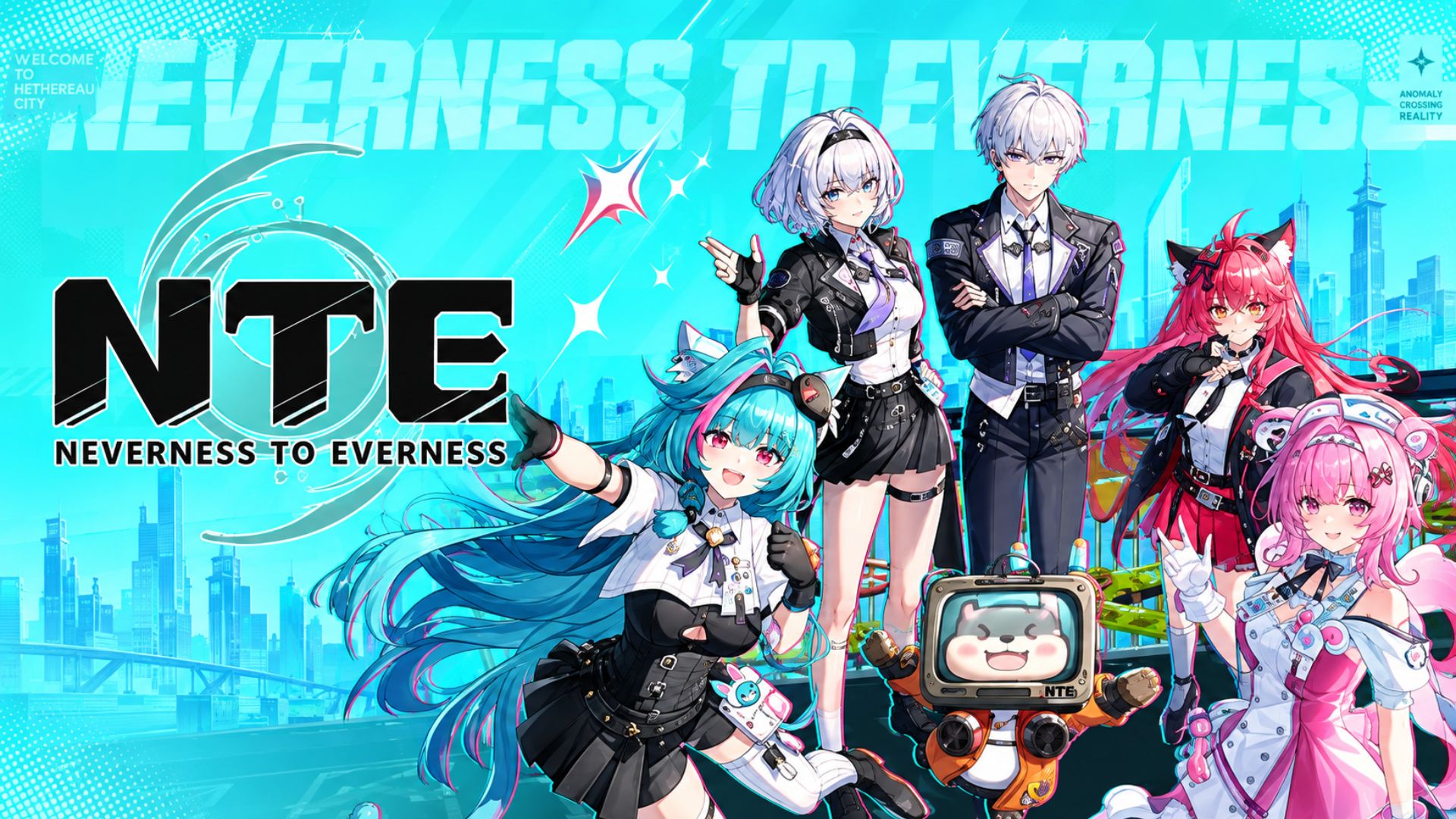
NTE: Neverness to Everness landed on Steam as one of 2026’s most talked-about free-to-play RPGs. Developed by Hotta Studio and published by Perfect World Games, it blends open-world exploration with fast, stylish combat. If you’re on Windows and looking for a new RPG that costs nothing to start, here’s everything you need to know before you dive in.
Last checked: September 2026. Prices, ratings, and system requirements can change, so verify current details on the official Steam page before you buy or install.
Our Verdict
Worth trying if you like: open-world RPGs, anime-style characters, urban fantasy, and fast, stylish combat.
Think twice if you: dislike gacha monetization, large downloads, or need a lighter PC to run it on.
Pros
- Large open world with fast traversal
- Stylish real-time combat, four-character teams
- Free to play, no cost to try the full story
- Cross-platform progression
Cons
- 70 GB install, fairly demanding minimum specs
- Gacha monetization, even if optional
- Requires a separate Perfect World Games account
- Always-online, live-service structure
What Is NTE: Neverness to Everness?
The game takes place in Hethereau, a modern city where humans and supernatural beings live side by side. You play an unlicensed anomaly hunter working out of Eibon, a small antique shop that doubles as your home base.
Your job is to investigate strange occurrences called Anomalies while building bonds with a cast of companions. The tone stays light and mysterious rather than grim. Think urban fantasy with a slice-of-life core, not a dark survival horror game.
You control a team of up to four characters at once, each drawing power from one of six Esper types. Switching between them mid-fight is where the game’s identity really shows.
Gameplay and Combat
Combat runs on a dodge-and-parry system layered over stamina-based movement. You’ll wall-run, glide, and sprint through Hethereau’s streets before dropping into fast team fights.
Each character brings a different Esper ability, and the real depth comes from chaining those abilities across your active squad. Five class types add another layer of strategy on top of that.
Outside combat, NTE leans into lifestyle features you don’t see in most action RPGs. You can customize vehicles, including motorcycles and trains, decorate your own space, and follow multiple story branches depending on the choices you make.
Our First Hour With NTE
We spent our first hour with NTE doing what we normally do with a new open-world action RPG: exploring before worrying too much about progression. Within the first few minutes, one thing became clear: NTE wants you to move.
The opening doesn’t take long to get you into Hethereau, and the city quickly becomes more than a pretty backdrop. Walking around gives you a chance to appreciate the scale and detail of the environment, but getting behind the wheel changes the pace completely. Driving between locations makes the city feel much more connected, and we found ourselves taking detours simply because something interesting was happening nearby.
Combat: Fast, Flashy, and Surprisingly Hands-On
Combat was probably the part of the first hour that felt most immediately familiar to anyone who has played modern action RPGs, but NTE adds its own rhythm to it. Fights are real-time, and switching between characters is central to keeping the action flowing. Rather than sticking with one character and waiting for abilities to come back, you’re encouraged to rotate through your team and take advantage of different attacks.
Dodging matters too. Even against the relatively manageable enemies we met early on, standing still and throwing attacks at everything wasn’t always the best approach. Once several enemies are on screen, positioning becomes important, especially when you’re trying to keep the fight moving without getting surrounded. The early encounters don’t show the full potential of the combat system, but there are already signs that later battles could demand a lot more attention.
The City Is Part of the Experience
What surprised us more than expected was how much time we spent simply moving around. Hethereau has the kind of dense urban design that makes you want to look around rather than rush from one objective marker to the next. Walking, vehicles, and the game’s traversal systems give the city a different rhythm than a conventional RPG, where the world mostly exists to connect one quest to another.
The driving is particularly useful here. It isn’t just a shortcut for getting from A to B faster, it changes how you perceive the size of the map. A location that looks close on foot can feel much farther away once you’re actually navigating the city’s streets.
How It Ran on Our PC
On our test PC, loading times were reasonable once we were actually in the game. The initial setup was a different story: the first launch took noticeably longer because of asset preparation. After that, though, the experience felt straightforward, and we weren’t stuck staring at loading screens during the first hour, which matters in a game built around moving between different activities.
Performance will depend heavily on your hardware and settings, so we wouldn’t treat this as a definitive technical verdict. But during our first session, on a rig meeting the recommended specs above, performance wasn’t what pulled our attention away from the game.
The Presentation Is Doing a Lot of the Heavy Lifting
Visually, NTE makes a strong first impression. The character models and animations stand out immediately, but it’s the combination of characters, lighting, and city environment that really sells the presentation. Nighttime scenes in particular give Hethereau a different atmosphere, with the urban lighting helping the city feel more alive.
Combat benefits from the presentation too. Attacks have enough visual impact to make switching between characters feel satisfying rather than purely mechanical. This is one of those games where we occasionally stopped for a few seconds just to look at the environment, usually a good sign during a first session.
Our First-Hour Verdict
After an hour, we’re not ready to make big claims about NTE. There’s simply too much of the game left to see. But the opening does a good job of answering one important question: does NTE have its own identity? So far, we’d say yes. The combination of a large urban environment, real-time character switching, vehicle traversal, and a strong visual presentation gives NTE a personality that goes beyond being just another free-to-play anime RPG.
The real test will come later. What we still need to find out is whether combat stays interesting once enemies get tougher, whether exploration keeps rewarding curiosity, how deep character progression becomes, and, perhaps most importantly for a free-to-play game, how aggressively monetization starts getting in the way. For now, our first impression is positive: NTE gave us enough reasons to keep playing after the first hour, which is exactly what an opening session should accomplish.
Free-to-Play Without the Pressure
NTE runs on a gacha monetization model. Optional in-game purchases and a Starter Pack are available starting at $0.99, but none of it is required to follow the main story.
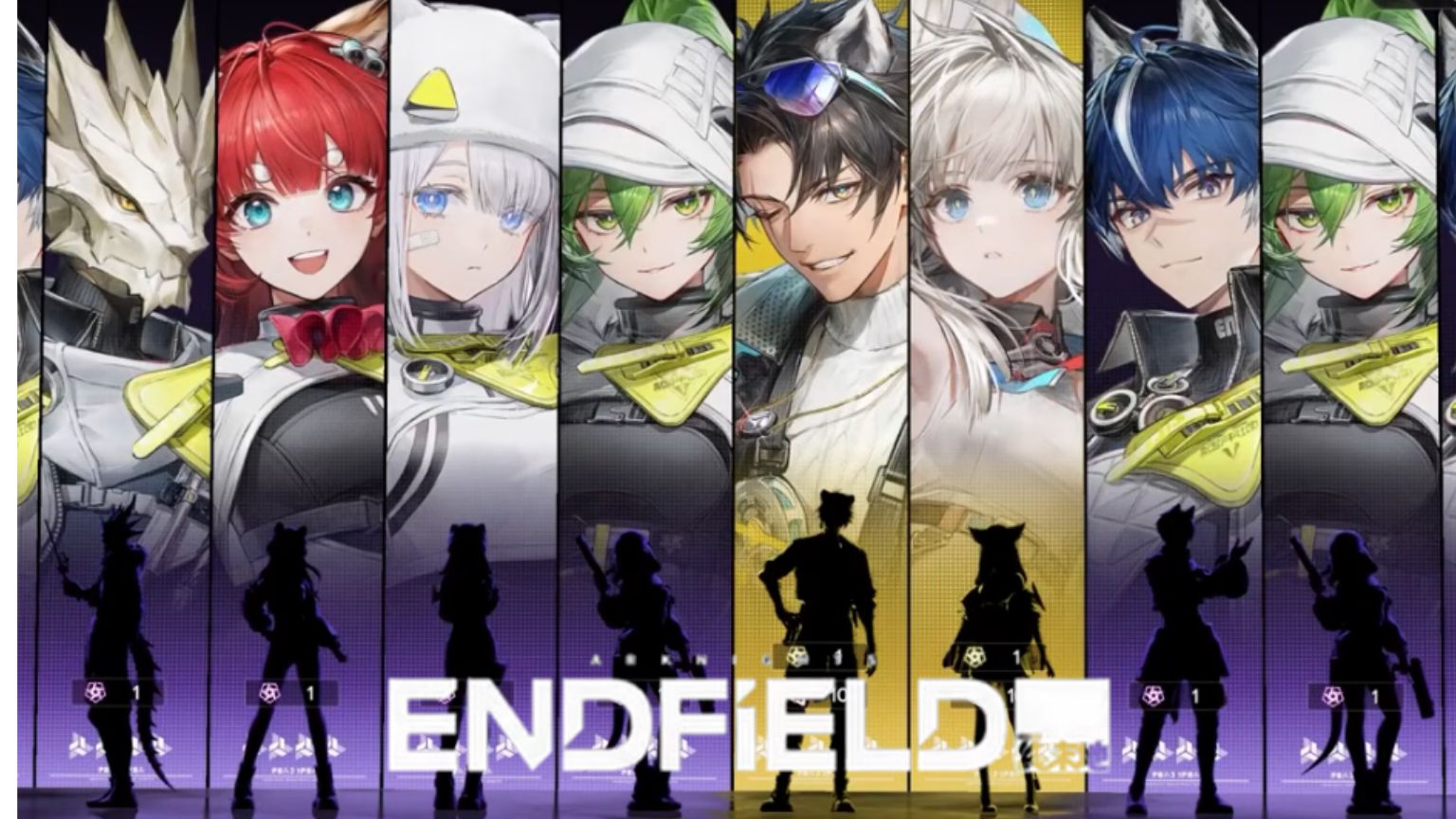
You don’t need to spend money to follow the main story or unlock core content. Progression stays accessible for players who want to play for free, which is part of why the game built a strong reputation fast after launch. If you’ve played other gacha RPGs like Arknights Endfield, you’ll recognize the same balance between free progression and optional spending.
Windows System Requirements
Before installing, check that your PC meets the minimum specs:
| Component | Minimum | Recommended |
|---|---|---|
| OS | Windows 10 64-bit | Windows 10 64-bit or above |
| Processor | Intel Core i7-10700 or equivalent | Intel Core i7-12700 or equivalent |
| RAM | 16 GB | 32 GB |
| Graphics | NVIDIA GTX 1660 or equivalent | NVIDIA RTX 3060 or equivalent |
| Storage | 70 GB available space | 70 GB available space |
| DirectX | Version 11 | Version 12 |
| Internet | Broadband connection required | Broadband connection required |
The 70 GB install size and 16 GB RAM requirement put this closer to a mid-range gaming PC than a budget laptop. Plan your storage accordingly.
PC checks out? NTE is free to play right now on Steam.
Play Free on SteamWhy It’s Getting Attention on Steam?
NTE launched globally on April 29, 2026 across mobile, PC, and PlayStation 5, with the dedicated Steam release following in July 2026. Steam reviews are currently marked “Very Positive,” both overall and in the last 30 days, though the exact score shifts over time, so it’s worth checking the live rating on the Steam page before you decide.
Cross-platform play and a steady content cadence have kept the community active. For a free download, that kind of reception is worth paying attention to.
How to Play NTE: Neverness to Everness on Steam?
NTE is free to play on Steam. You’ll need to sign in with a Perfect World Games account to play, on top of your Steam login, so keep that in mind before you install. Once that’s set up, you can be exploring Hethereau within minutes.
Free-to-Play Action RPG
NTE: Neverness to Everness
Explore Hethereau, hunt Anomalies, and build your squad. Free to play right now on Steam.
Play Free on SteamThis article contains an affiliate link. MixaGame may earn a small commission at no extra cost to you.