




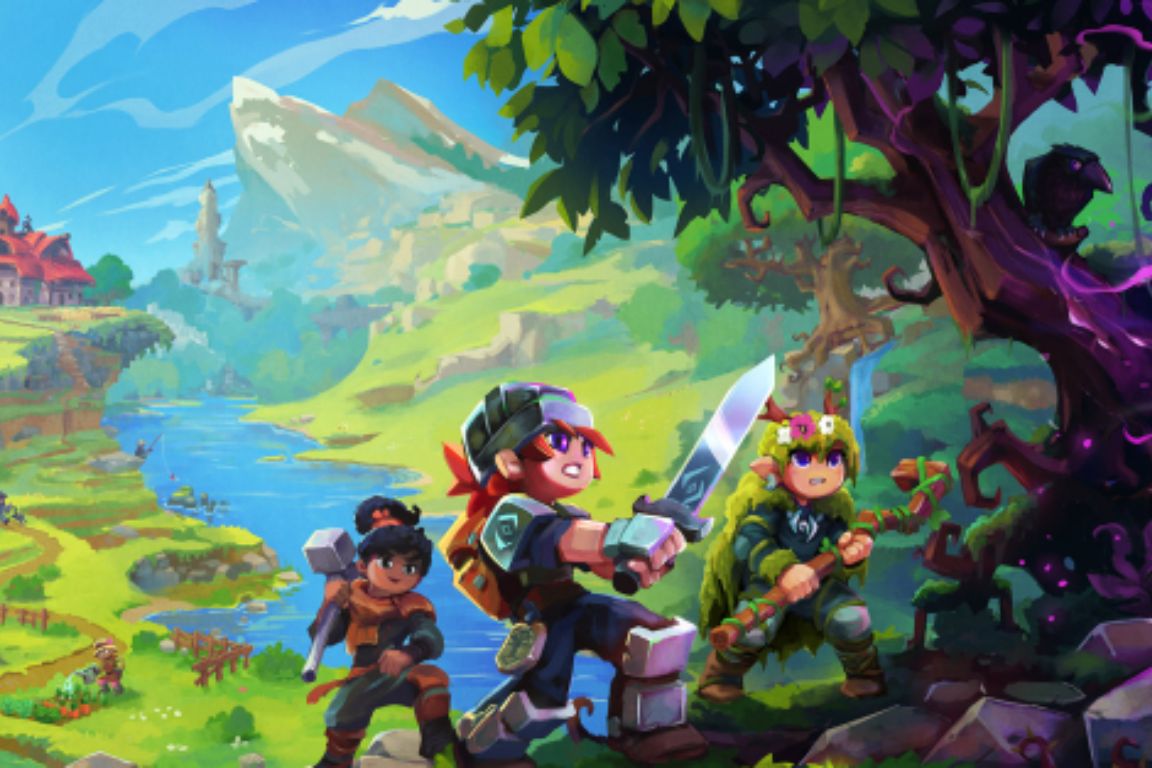
When a game developer openly declares their project “not good enough” for release, the usual response involves damage control, delayed announcements, and carefully worded PR statements designed to obscure uncomfortable truths. Hypixel founder Simon Collins-Laflamme just shattered that playbook by candidly admitting Hytale isn’t ready for Early Access because it simply doesn’t meet his own quality standards yet, and when it eventually does launch, players should expect something genuinely rough around the edges rather than a nearly finished product requiring minor polish.
This refreshing transparency arrives six months after Riot Games shuttered the Hytale project and disbanded its development team, leading many to assume the ambitious voxel sandbox would join gaming’s ever-growing graveyard of cancelled dreams. Collins-Laflamme’s recent announcement that he’d bought back the rights sparked immediate excitement, but his subsequent interview tempered that enthusiasm with reality checks the industry desperately needs more of.
Setting expectations that actually mean something
The messaging around Hytale’s eventual Early Access debut couldn’t be clearer or more direct. Many features previously showcased or discussed won’t make the initial launch. Minigames that generated community excitement will be absent on day one. Bugs will be present, systems will be incomplete, and the experience will genuinely feel like participating in active development rather than playing a nearly finished game undergoing final testing.
This represents what Early Access was originally supposed to be before the designation became marketing shorthand for “pay full price for an unfinished game we might eventually complete.” Collins-Laflamme explicitly states the game will need community involvement to move forward, positioning players as active participants in development rather than early customers receiving a discounted preview.
The features still requiring substantial work
Modding capabilities represent one area Collins-Laflamme specifically identified as needing significant additional development. While the framework exists and offers functionality, the team wants to expand tools and features available to modders, server operators, and map creators before considering the system complete. This matters enormously for a game positioning itself within the Minecraft-adjacent space where community-created content often becomes more valuable than official releases.
The admission that so much remains missing yet the project needs to launch anyway to “break the curse” reveals the psychological toll extended development cycles inflict on creators. Hytale has been in development since its 2018 announcement, building expectations that no reasonable release could satisfy. Collins-Laflamme seems to recognize that perpetual development pursuing impossible perfection serves nobody, and that releasing something imperfect but functional beats releasing nothing at all.
Why this honesty matters for gaming’s future
The contrast between Collins-Laflamme’s approach and typical Early Access marketing couldn’t be starker. Most developers position their unfinished games as nearly complete experiences requiring minor adjustments based on community feedback. They showcase polished vertical slices while downplaying missing features and technical issues. Players purchase these titles expecting functional games with rough edges, only to discover fundamentally incomplete products that may never reach promised states.
Hytale’s messaging inverts this dynamic entirely. Players will know exactly what they’re getting: a messy, janky, incomplete game that will require patience and participation to reach its potential. This transparency protects both developers and players by establishing realistic expectations that prevent the bitter disappointment plaguing so many Early Access launches.
The fact that Collins-Laflamme discusses release plans at all suggests core systems and features developed during both independent work and the Riot Games period remain intact and functional. The project isn’t starting from scratch but rather continuing from an established foundation that needs refinement and expansion rather than fundamental reconstruction.
The gaming industry has trained players to expect overpromising followed by underdelivering, where marketing hype builds unrealistic expectations that finished products cannot possibly meet. Hytale’s approach of underpromising while presumably planning to overdeliver represents a welcome inversion of this damaging pattern. Time will reveal whether the game itself justifies the years of anticipation, but the communication strategy already deserves recognition for treating potential players like adults capable of understanding development realities.
No Early Access date has been announced, though Collins-Laflamme’s comments suggest the wait won’t extend indefinitely. For a project many assumed dead, even an imperfect launch feels like unexpected resurrection worth celebrating.
Would you rather play an honestly janky Early Access version of Hytale soon, or wait potentially years longer for a more polished initial release?