




If you updated your Windows 11 PC recently and noticed your frame rates falling off a cliff, you’re not imagining things. Update KB5074109, which rolled out in the latest patch cycle, is confirmed to cause performance degradation on Nvidia GPUs. Not suspected. Not speculated. Confirmed, by Nvidia themselves, on their official support forums.
And Microsoft? Silent.
What KB5074109 Is Doing to Your GPU
The issue is straightforward. After installing the KB5074109 cumulative update, users with Nvidia graphics cards are reporting measurable drops in gaming performance, primarily in frame rates. The severity varies by configuration, but the pattern is consistent enough that Nvidia publicly acknowledged the problem on their forums, as first spotted by Windows Latest.
This isn’t an isolated edge case. The reports span multiple GPU generations and game titles. For a platform update that’s supposed to improve stability and security, actively degrading the performance of the most widely used discrete GPU brand on the planet is a significant miss.
To make it worse, this same update has also been linked to Blue Screen of Death crashes for a subset of users. So the KB5074109 experience ranges from “my games run worse” to “my PC won’t boot.” Not a great spectrum.
The Fix Is Simple, but That’s Not the Point
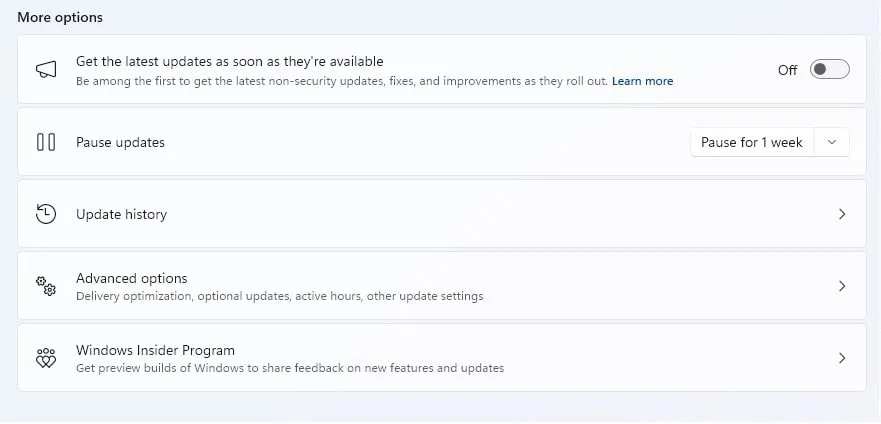
The current workaround is to uninstall the update. Here’s how:
- Open Settings from the search bar
- Select Windows Update on the bottom left
- Click Update history
- Scroll down and select Uninstall Updates
- Find KB5074109 and click Uninstall
- Reboot your PC
Performance should return to normal after the restart. It’s a clean fix. But the fact that “just remove the update” is the official advice in 2026 speaks to a deeper problem that hasn’t gotten better since Windows 11 launched.
The Windows 11 Gaming Problem Isn’t New
This kind of incident has a long history. Windows 11 has been causing intermittent gaming issues since its release in late 2021. Early builds had problems with AMD CPUs and L3 cache performance. The transition to the new taskbar broke compatibility with certain overlay software. Various updates over the years have introduced stuttering, VBS-related performance hits, and driver conflicts that took weeks to resolve.
The pattern is always the same. Microsoft ships an update. Something breaks for gamers. The community figures it out before Microsoft acknowledges it. A fix arrives weeks later, sometimes months. Repeat.
What makes the current situation particularly frustrating is context. Microsoft officially ended Windows 10 support in October 2025. That operating system, for all its age, was widely considered more stable and mature for gaming. Millions of users migrated to Windows 11 not because they wanted to, but because staying on an unsupported OS with no security patches and declining developer support was no longer viable.
Those users were told Windows 11 was ready. Updates like KB5074109 suggest otherwise.
Microsoft’s Silence Is the Real Issue
Nvidia at least had the decency to acknowledge the problem publicly. Microsoft, as of this writing, has not issued any statement. No advisory. No known-issue listing. No estimated timeline for a fix.
This matters because Windows Update is, for most users, automatic. People don’t choose to install KB5074109. It installs itself. And unless you’re the kind of user who monitors patch notes and checks Nvidia forums, you have no idea why your games suddenly run worse. You just know something changed.
The lack of communication from Microsoft creates a trust problem. If gamers can’t rely on Windows updates to not break their performance, they’ll start delaying or blocking updates entirely. And that creates a separate set of security and compatibility risks that Microsoft has spent years trying to prevent.
| Issue | Status |
|---|---|
| Nvidia GPU frame rate drops | Confirmed by Nvidia on official forums |
| Blue Screen of Death crashes | Reported by subset of users |
| Microsoft acknowledgment | None as of publication |
| Current fix | Uninstall KB5074109 manually |
| Windows 10 fallback | No longer viable (support ended Oct 2025) |
Where This Leaves PC Gamers
The uncomfortable reality is that PC gamers in 2026 are locked into an operating system that still treats gaming performance as a secondary concern in its update pipeline. Windows 11 has gotten better over time, but incidents like this erode the goodwill that improvement generates.
Nvidia will likely push a driver-side mitigation if Microsoft doesn’t act quickly. That’s been the pattern before, the GPU vendor cleaning up the OS vendor’s mess. But it shouldn’t have to be.
The broader question is one that PC gaming has been circling for years: if Microsoft can’t reliably ship updates that don’t break GPU performance, should the gaming community be pushing harder for alternatives, or has Windows’ dominance made that conversation permanently academic?
Done With Pay-to-Win?
This One’s Different.
Open-world tactical RPG. No gacha traps. Cross-save across PS5, PC and Mobile. Your squad, your rules.