




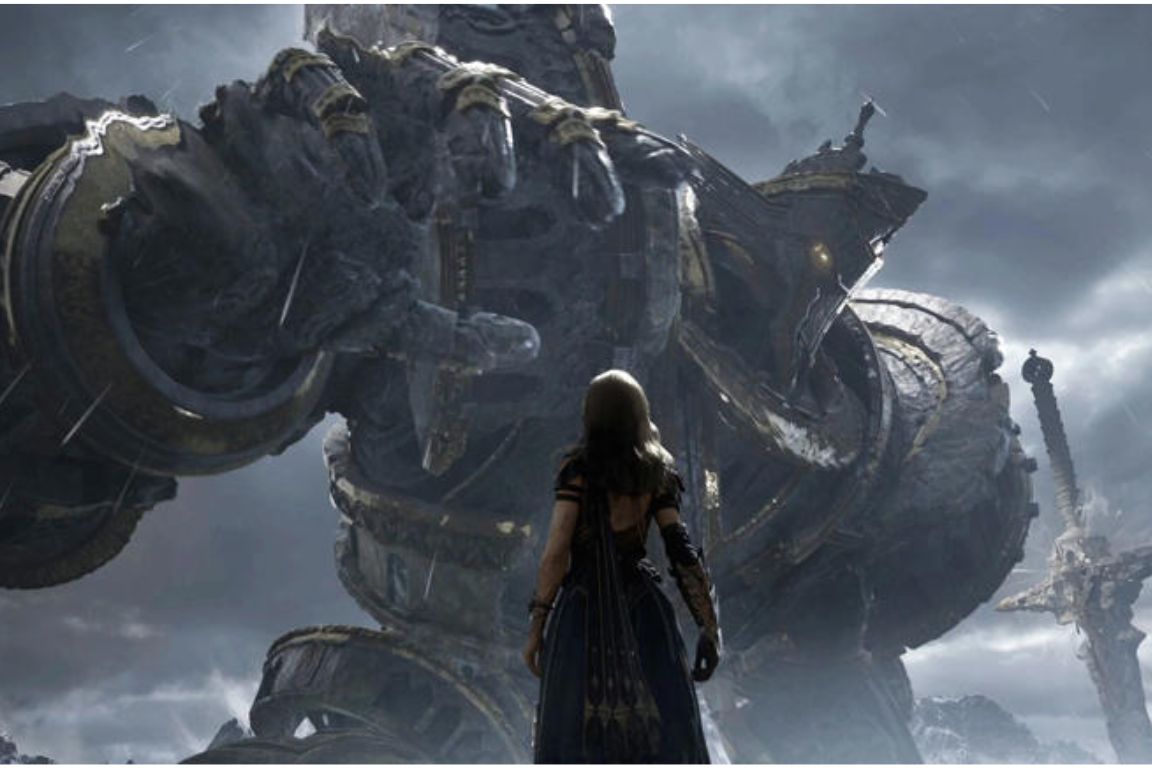
When every other week brings announcements of games that promise to redefine their genres, the concept of being “speechless” starts losing meaning. Yet 2025 and beyond represent something genuinely unprecedented in gaming history: a collision of technological capability, creative ambition, and industry transformation that’s producing a release calendar so packed with potential masterpieces that players face an entirely new problem. It’s not whether incredible games exist anymore, but rather how anyone finds time to experience them all.
The gaming landscape has evolved into something unrecognizable from even five years ago. Indie studios armed with cutting-edge development tools compete directly with AAA juggernauts. New intellectual properties launch with production values that once required established franchises to justify their budgets. Hardware improvements have reached the point where photorealism versus stylized art direction represents genuine creative choice rather than technical limitation. This convergence creates an environment where the upcoming release slate doesn’t just promise quality, it practically guarantees an embarrassment of riches.
Technology finally catching up to vision
For decades, game developers pitched ambitious concepts that hardware couldn’t support. Open worlds remained compartmentalized by loading screens. Complex physics simulations tanked frame rates. Artificial intelligence routines simplified into predictable patterns to preserve performance. The gap between creative vision and technical reality forced constant compromise.
That era has effectively ended. Modern development tools, combined with current-generation console capabilities and high-end PC hardware, have eliminated most technical barriers that previously constrained ambition. Ray tracing delivers lighting that genuinely transforms atmospheric storytelling. Solid-state drives erase loading times that once dictated level design. Machine learning enables non-player character behaviors complex enough to feel genuinely organic rather than scripted.
These advances manifest most clearly in upcoming titles that would have been impossible just years ago. Massive seamless worlds with hundreds of distinct biomes, each containing unique ecosystems and weather patterns. Character customization systems offering billions of appearance combinations rendered in real-time. Combat mechanics processing dozens of simultaneous inputs with frame-perfect precision. The technology has stopped being the limiting factor, shifting creative constraints toward time, budget, and human imagination.
The sequel dilemma facing beloved franchises
Established franchises dominate upcoming release calendars, but they face increasingly difficult creative challenges. Players expect each sequel to justify its existence through meaningful innovation while simultaneously preserving everything that made the original beloved. This paradox creates impossible expectations where any significant change risks alienating core fans, yet playing it safe invites criticism for lacking ambition.
The most interesting upcoming sequels acknowledge this dilemma directly by taking substantial creative risks. Rather than incrementally improving established formulas, they fundamentally reimagine core mechanics, shift genre conventions, or explore entirely different narrative tones. These bold pivots generate both excitement and trepidation, creating pre-release discourse that overshadows safer follow-ups.
Franchise fatigue represents another growing concern. When popular series release entries every year or two, diminishing returns become inevitable regardless of quality. Players burn out on formulas they once loved, creating situations where objectively excellent games underperform simply because audiences need breaks from specific styles of play. The upcoming slate includes several franchises attempting to address this through extended development cycles and more substantial evolution between installments.
New IP taking unprecedented creative swings
Original intellectual properties entering the market demonstrate confidence that would have seemed reckless in previous eras. Developers are greenlighting projects with massive budgets despite lacking established fan bases to guarantee day-one sales. This willingness to invest in unproven concepts reflects both industry maturation and recognition that players actively seek fresh experiences rather than endless sequels.
The most ambitious upcoming new IPs share certain characteristics. They blend multiple genres rather than fitting neatly into established categories. They tackle subject matter or settings that mainstream games traditionally avoided. They employ distinctive art directions that sacrifice immediate mass appeal for long-term memorability. These creative choices create higher risk profiles but also potential for breakout success that sequels rarely achieve.
Several upcoming original games target underserved audiences by exploring cultural perspectives, historical periods, or gameplay styles that major publishers historically considered too niche. This diversification enriches the medium while also making sound business sense. As gaming demographics expand globally, content that resonates with specific communities can achieve commercial success despite lacking universal appeal.
Genre boundaries dissolving into hybrid experiences
Traditional genre classifications increasingly fail to describe what upcoming games actually are. Is a game with RPG progression systems, soulslike combat, open-world exploration, and narrative adventure elements primarily any single category? These hybrid designs reflect player expectations that have evolved beyond rigid genre constraints.
The soulslike explosion exemplifies this trend. What began as distinctive design philosophy pioneered by FromSoftware has become mechanical toolkit that developers apply to vastly different settings and contexts. Upcoming releases incorporate soulslike elements into sci-fi shooters, fantasy card games, and even cozy life simulators. The resulting experiences defy easy categorization while offering familiar difficulty curves and progression satisfaction.
Role-playing games similarly resist definition as upcoming titles blend action combat, survival mechanics, city-building systems, and relationship simulations into singular experiences. The traditional JRPG versus Western RPG distinction means less when Japanese studios create open-world games with real-time combat while Western developers craft turn-based tactical experiences with anime aesthetics.
Independent developers punching above their weight
The democratization of game development tools has enabled small teams to produce experiences that rival or exceed AAA production values in specific areas. Upcoming indie releases demonstrate technical and artistic sophistication that would have required massive studios just years ago. This trend fundamentally disrupts traditional industry hierarchies where budget directly predicted quality.
Several highly anticipated upcoming games come from studios of ten people or fewer, yet they feature hand-crafted worlds with hundreds of hours of content, fully voiced dialogue in multiple languages, and audiovisual presentation that competes with titles costing ten times more to produce. These teams succeed by focusing resources on specific strengths rather than attempting to match big-budget games across all dimensions.
The rise of publisher programs specifically supporting ambitious indie projects has accelerated this trend. Developers can access funding, marketing support, and technical resources while maintaining creative control. This arrangement produces distinctive games that major publishers would never greenlight while providing financial backing that pure independence couldn’t achieve.
The live service question reshaping expectations
The line between traditional releases and ongoing live service games continues blurring. Many upcoming titles launch with complete single-player campaigns while also promising years of post-release content updates, seasonal events, and community features. This hybrid model attempts to satisfy both players seeking definitive experiences and those wanting evolving games they can engage with indefinitely.
This approach creates complicated value propositions. Players increasingly question whether they’re purchasing complete products or merely access to content treadmills designed to extract ongoing engagement. The most successful upcoming games address these concerns through transparent communication about post-launch plans and ensuring base experiences feel complete regardless of future additions.
The subscription service explosion further complicates purchasing decisions. When major releases arrive day-one on Game Pass, PlayStation Plus, or similar services, the traditional model of individual game purchases becomes one option among many. This shifts player calculations from “is this game worth sixty dollars” to “does this experience justify my time versus other available options.”
Global development reshaping creative perspectives
Gaming has evolved into genuinely global medium with major studios operating across every continent. This geographic diversity manifests in upcoming releases that draw inspiration from cultural traditions, mythologies, and artistic styles beyond the Western and Japanese influences that historically dominated. The resulting creative diversity enriches the medium while challenging assumptions about what games can be.
Several highly anticipated upcoming titles originate from regions with emerging game development scenes. These games incorporate local perspectives, storytelling traditions, and aesthetic sensibilities that feel genuinely fresh rather than derivative of established conventions. Their success demonstrates that global audiences crave diverse experiences that transport them beyond familiar cultural contexts.
The upcoming release calendar reads like a world tour, featuring games set in meticulously recreated historical periods across Asia, Africa, South America, and regions that mainstream games rarely explore. This geographic diversity extends beyond mere settings to inform mechanical design, narrative structures, and philosophical approaches to player agency and progression.
The preservation question nobody’s answering
As upcoming games push technical boundaries and rely increasingly on online features, legitimate concerns emerge about their long-term accessibility. Will these incredible experiences remain playable decades from now, or will they become lost media when servers shut down and hardware becomes obsolete? The industry has yet to address these preservation challenges meaningfully.
Several upcoming releases incorporate always-online requirements, proprietary streaming technology, or live service elements that make future preservation difficult or impossible. This creates tension between delivering cutting-edge experiences today and ensuring cultural artifacts remain accessible for future generations to study and enjoy.
The release slate stretching through the next year represents both gaming’s highest aspirations and its most pressing existential questions. These upcoming titles will undoubtedly deliver moments of genuine awe, innovative mechanics that influence future development, and stories that resonate emotionally in ways only interactive media can achieve. Whether they collectively represent sustainable creative direction or unsustainable ambition remains uncertain.
What matters most is that players face unprecedented variety in their upcoming options. Whether seeking photorealistic immersion or stylized artistry, challenging difficulty or accessible experiences, solo adventures or social engagement, the release calendar accommodates virtually every preference. The real challenge isn’t finding incredible games to play but rather choosing between them.
Which upcoming game announcement has you most excited, and what specific element makes it stand out from the increasingly crowded release calendar?