




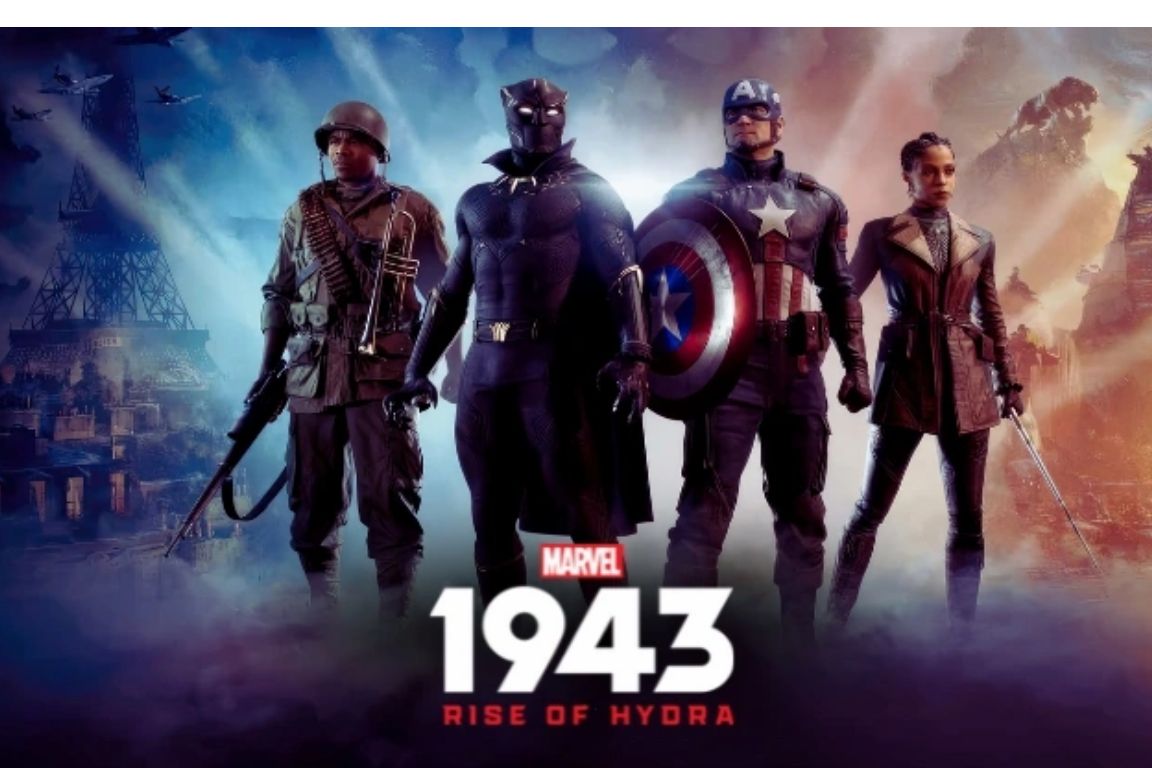
Another year, another Amy Hennig project vanishing into the development void. Marvel 1943: Rise of Hydra just joined the growing list of games that promised revolution but delivered radio silence. The shift from 2025 to an undefined 2026 window feels less like a delay and more like watching a slow-motion car crash we’ve witnessed before.
While everyone was busy losing their minds over GTA 6’s potential slip, Skydance Games quietly buried the lede that their World War II superhero epic needed more time. No specific date. No quarter. Just vague promises about “premium quality” and “honoring characters.” If gaming history teaches us anything, indefinite delays rarely end with triumphant launches.
The warning signs were already there
Let’s be honest about those September screenshots. CGI renders of Black Panther punching Nazis looked pretty, sure, but they revealed absolutely nothing about actual gameplay. After nearly two years since announcement, all we have are concept art, pre-rendered scenes, and marketing speak. No gameplay footage. No mechanics breakdown. No systems showcase. Just vibes and promises.
This pattern feels painfully familiar. Big-name creative leads announce ambitious projects with stellar concepts. Publishers throw around words like “cinematic” and “blockbuster.” Years pass with sporadic updates that show everything except someone actually playing the game. Then comes the inevitable delay, followed by either cancellation or a product that barely resembles the original pitch.
The parallels to Hennig’s previous ventures are impossible to ignore. The Uncharted creator left Naughty Dog in 2014 amid creative differences. Her Star Wars project at Visceral Games died in 2017. The supernatural adventure game at her own studio never materialized. Now Marvel 1943 joins this dubious legacy, and pretending otherwise requires Olympic-level mental gymnastics.
Why this concept deserved better
Setting aside development drama, Marvel 1943’s premise actually sounds incredible. Captain America and Black Panther teaming up in occupied Paris during World War II? That’s golden material for both narrative and gameplay possibilities. The period setting sidesteps the MCU timeline complications. The dual protagonist system could offer varied playstyles. Hydra provides perfect villain fodder without modern political baggage.
The 1940s backdrop opens design opportunities most superhero games ignore. Limited technology means combat relies on skill rather than gadgets. Historical authenticity adds weight to the fiction. Real-world stakes ground the superhuman elements. Done right, this could have been Marvel’s answer to Wolfenstein, mixing pulp adventure with genuine historical darkness.
Instead, we’re watching another potentially great concept suffocate under development hell. The longer games stay in production, the more outdated their foundations become. What seemed revolutionary in 2023 might feel ancient by 2026. Technology moves forward. Player expectations evolve. Competition intensifies. Every month of delay compounds these problems.
The Skydance problem nobody discusses
Beyond Hennig’s involvement, Skydance New Media itself raises concerns. The studio formed in 2019 specifically to create “story-focused interactive experiences.” Five years later, they’ve released nothing. Not even a small project to prove competence. Just announcements and delays across multiple franchises.
Their development slate reads like wishful thinking. A Terminator game. The Marvel project. Various unannounced titles. All supposedly in simultaneous production at a studio that’s never shipped anything. This isn’t how successful game development works, especially for narrative-heavy AAA productions requiring massive resources and coordination.
The statement about ensuring “quality level” sounds noble until you realize it’s the exact language used before countless cancellations. Quality concerns. Shifting visions. Market conditions. These euphemisms typically precede either massive downsizing or complete project abandonment. Without tangible progress to show, Marvel 1943’s delay feels less like perfectionism and more like crisis management.
What Marvel gaming actually needs
The frustrating part is Marvel desperately needs fresh gaming perspectives. Spider-Man can’t carry the entire gaming division forever. Guardians of the Galaxy proved there’s appetite for different Marvel stories. Midnight Suns showed strategy fans want superhero content. But these successes get overshadowed by failures like Avengers, which poisoned the well for years.
Marvel 1943 could have been the palate cleanser. A focused, single-player narrative without live service nonsense. Period-appropriate storytelling free from MCU obligations. Character combinations we’ll never see on screen. Instead, it’s becoming another cautionary tale about overambition and underdelivery.
The gaming industry needs to stop treating established creators like guaranteed success formulas. Past achievements don’t automatically translate to future victories, especially after extended absence. The medium evolves too quickly for decade-old expertise to remain entirely relevant. Fresh blood often delivers better results than veteran names coasting on reputation.
Reading between the corporate lines
Skydance’s statement deserves scrutiny beyond surface reading. Notice what’s missing? No mention of technical challenges. No discussion of scope changes. No acknowledgment of external factors. Just generic platitudes about vision and expectations. This vagueness typically indicates deeper problems nobody wants to acknowledge publicly.
The timing also raises eyebrows. Announcing delays immediately after bigger news suggests deliberate burial. Companies don’t accidentally release bad news when everyone’s distracted. They calculate these moves to minimize backlash and scrutiny. If Marvel 1943 was truly on track with minor adjustments needed, they’d announce the delay prominently with confidence.
Industry insiders suggest the real issues run deeper than polish time. Rumors swirl about engine troubles, design pivots, and budget concerns. While unconfirmed, these whispers align with what we’re seeing publicly. Games confident in their direction show progress. Games in crisis show nothing while promising everything.
The uncomfortable truth about modern development
Maybe it’s time to admit that certain development approaches no longer work. The auteur-driven, narrative-first methodology that defined earlier console generations struggles against modern realities. Games cost too much. Take too long. Require too many specialists. Single creative visions can’t encompass everything anymore.
Marvel 1943 represents this old-school thinking. Hire a famous creative. Give them a popular license. Wait for magic. But magic doesn’t happen in isolation. It requires functional pipelines, clear milestones, and realistic scope. Without these fundamentals, even the best ideas crumble under their own weight.
The comparison to Jade Raymond isn’t entirely fair, but it highlights a pattern. Both represent immense talent from gaming’s previous era struggling to adapt to current conditions. Their failures aren’t personal shortcomings but systemic issues about how modern games get made versus how they used to be crafted.
What happens next
Realistically, Marvel 1943 faces three potential outcomes. Best case: it releases in late 2026 as a competent but unremarkable action game that fails to justify its extended development. Likely case: Skydance announces another delay before quietly canceling the project in 2026. Worst case: it launches broken, joining Babylon’s Fall and Redfall in the graveyard of anticipated disasters.
The saddest part is nobody seems surprised anymore. Delays have become so normalized that audiences barely react. We’ve been conditioned to expect disappointment from announced projects, especially those with lengthy development cycles and minimal transparency. Marvel 1943 joins a long list of games we’ll probably never play as originally envisioned.
For Hennig, this might be the final strike against her gaming legacy. Fair or not, repeated failures tarnish reputations regardless of circumstances. The industry is brutal about recent performance over past glories. Another cancellation essentially ends her AAA career, reducing future opportunities to advisory roles or smaller productions.
The lesson nobody wants to learn
Marvel 1943’s delay should prompt serious industry reflection, but it won’t. Publishers will continue chasing prestige names. Studios will keep announcing projects years before readiness. Marketing will promise revolutionary experiences based on nothing substantial. The cycle continues because admitting systemic failure requires uncomfortable changes.
Maybe that’s the real tragedy here. Not that Marvel 1943 might never release, but that its failure teaches nothing. Next year brings new announcements from new studios with new promises about cinematic experiences and premium quality. Audiences will get excited. Development will struggle. Delays will happen. Nothing changes except the names involved.
Until the industry honestly examines why these projects consistently fail, we’re doomed to repeat this pattern. Marvel 1943 won’t be the last high-profile casualty. It’s just another headstone in gaming’s increasingly crowded graveyard of ambition.