




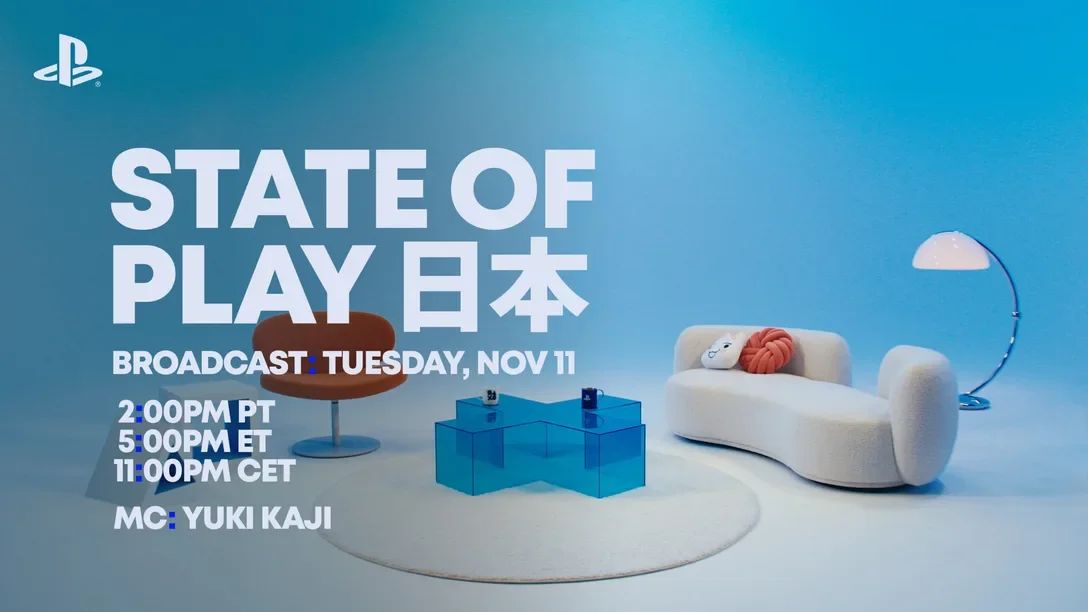
PlayStation just dropped a scheduling bombshell that most Western gaming media will probably undersell. A dedicated State of Play showcase focused on Japanese and Asian markets isn’t just another presentation; it’s Sony acknowledging a fundamental truth they’ve been dancing around for years. The company that once dominated through Japanese development has spent the last decade chasing Western blockbusters. This Tuesday’s 40-minute showcase, hosted by voice acting legend Yuki Kaji, might mark the beginning of a critical course correction.
The timing tells its own story
Announcing a major showcase with barely 48 hours notice breaks every rule in Sony’s typically orchestrated playbook. PlayStation usually builds anticipation for weeks, carefully controlling the narrative through strategic leaks and teasers. This sudden announcement for a Tuesday evening slot (or Wednesday morning in Japan) suggests either supreme confidence or reactive necessity.
The scheduling itself reveals priorities. A 5 p.m. EST Tuesday slot means PlayStation is optimizing for Asian primetime viewing, not Western convenience. They’re essentially telling North American and European audiences that this one isn’t primarily for them, though they’re welcome to tune in with subtitles. It’s a refreshing bout of honesty from a company that usually tries to please everyone simultaneously.
Consider the broader context: PlayStation 5 sales in Japan have struggled compared to previous generations. The Nintendo Switch continues its domestic dominance while Xbox makes surprising inroads through Game Pass. Sony needs to remind Japanese consumers why PlayStation matters, and a generic global showcase won’t accomplish that mission.
Yuki Kaji isn’t just a host choice
Selecting Yuki Kaji to host sends a specific message to Japanese audiences. This isn’t some corporate suit or gaming personality unknown outside enthusiast circles. Kaji voices Eren Yeager in Attack on Titan, Todoroki in My Hero Academia, and countless video game protagonists. He’s a genuine celebrity in Japan, the kind of name that makes casual audiences pay attention.
Western audiences might not grasp the significance, but imagine if Sony got Troy Baker or Nolan North to host an American showcase. Actually, scratch that; Kaji is bigger in Japan than any Western voice actor is here. His involvement suggests Sony is pulling out serious stops to capture Japanese attention, not just going through motions.
The choice also hints at the showcase’s potential content. Kaji’s extensive gaming portfolio includes major JRPG franchises and fighting games. His presence suggests we’re not just getting indie darlings and niche visual novels. Expect announcements that matter to mainstream Japanese gaming culture, not just hardcore otaku.
Reading between the “few other exciting updates” lines
PlayStation’s deliberately vague mention of content beyond Asian games practically screams major announcement. Companies don’t dedicate 40-plus minutes to regional showcases without substantial reveals. The careful phrasing suggests something significant enough to interest global audiences while maintaining the Asian focus.
Marvel Tōkon: Fighting Souls represents the exact kind of project this showcase needs to highlight. Arc System Works developing a PlayStation exclusive fighter combines Japanese development excellence with Western IP appeal. It’s the perfect bridge between Sony’s dual identities, assuming they actually show gameplay instead of another cinematic trailer.
But focusing solely on announced titles misses the bigger picture. This showcase timing aligns suspiciously with various industry rumors about Japanese studios’ unannounced projects. FromSoftware’s next game, Capcom’s mysterious new IP, Square Enix’s post-Final Fantasy XVI plans; any could logically appear here. The 40-minute runtime suggests multiple substantial reveals rather than padding with indie montages.
The quiet admission of strategic failure
This showcase represents Sony tacitly acknowledging that their Western-focused strategy has limits. The closure of Japan Studio, the emphasis on cinematic blockbusters, the shift toward Games as a Service; these decisions alienated the audience that built PlayStation’s foundation. While God of War and The Last of Us print money globally, they don’t resonate the same way in Tokyo as Final Fantasy or Monster Hunter.
The Japanese gaming market never stopped mattering, despite what Sony’s recent behavior suggested. It’s still the third-largest gaming market globally and influences trends worldwide. More importantly, Japanese developers create games nobody else can replicate. Losing that pipeline of creativity would devastate PlayStation’s long-term prospects.
Nintendo’s continued dominance proves Japanese gaming sensibilities remain commercially viable when properly supported. The Switch succeeds not despite its Japanese focus but because of it. Sony finally seems to understand that competing in Japan requires more than localizing Western games and hoping for the best.
What this means for PlayStation’s identity crisis
PlayStation has struggled with its identity since moving headquarters to California in 2016. Are they a Japanese company making global products or a global company with Japanese heritage? This showcase suggests they’re finally attempting to balance both identities rather than choosing one.
The subtitle approach deserves particular praise. Rather than creating separate broadcasts or dubbing over content, they’re presenting the authentic Japanese experience with accessibility options. It respects the source material while remaining inclusive. Western publishers could learn from this approach instead of their often awkward localization attempts.
This could mark the beginning of more region-specific showcases that celebrate local development rather than forcing everything into homogeneous global presentations. Imagine showcases dedicated to European studios, Latin American developers, or African gaming scenes. PlayStation has the reach to platform these diverse voices if they choose to exercise it.
The competitive landscape demands Japanese content
Microsoft’s aggressive Game Pass expansion in Asia and Nintendo’s perpetual dominance create a challenging environment for PlayStation in Japan. Sony needs exclusive Japanese content that can’t be played elsewhere, not just timed exclusivity deals that eventually expire.
The timing also coincides with increasing Chinese game development quality. Games like Black Myth: Wukong and Genshin Impact prove Asian studios can compete globally without Western publishers’ involvement. Sony needs to court these developers before they become completely platform-agnostic or align with competitors.
Mobile gaming’s continued growth in Asia adds another wrinkle. PlayStation needs to demonstrate why dedicated gaming hardware still matters when phones can run increasingly sophisticated games. Showcasing experiences impossible on mobile becomes crucial for maintaining relevance.
Predictions and potential surprises
Based on timing, host selection, and market needs, several announcements seem probable. Expect at least one major JRPG reveal, whether it’s Final Fantasy-related or something entirely new. Fighting game content beyond Marvel Tōkon feels likely given the genre’s Japanese popularity and Kaji’s involvement in multiple fighting game franchises.
The real wildcard involves Sony’s first-party Japanese development. After Japan Studio’s dissolution, many wondered if Sony had abandoned internal Japanese game creation entirely. This showcase could reveal new Japanese-led projects from other PlayStation studios or announce new development partnerships.
Don’t discount potential hardware announcements either. Japan loves special editions and unique colorways. A region-exclusive PS5 design or controller variant could generate significant interest. Maybe even updates on PlayStation VR2 content, given Japan’s historical enthusiasm for VR experiences.
Why Western audiences should care
Even if you don’t play JRPGs or fighting games, this showcase matters for PlayStation’s overall direction. A healthy Japanese development scene benefits all players through gaming diversity. Some of gaming’s most influential titles emerged from Japan when publishers took risks on weird, innovative concepts.
The subtitle-only approach also suggests these games might remain more culturally authentic rather than being sanitized for global audiences. That means weirder mechanics, distinctive art styles, and narrative approaches that wouldn’t emerge from Western focus groups. Gaming needs that variety to avoid creative stagnation.
Furthermore, strong Japanese support could influence PlayStation’s hardware decisions. Japanese developers often push for different features than Western studios. Their input could lead to more interesting PlayStation 6 innovations than simply pursuing raw computational power.
The broader implications
This State of Play Japan represents more than just a regional showcase. It’s PlayStation publicly acknowledging that their global ambitions require local foundations. You can’t dominate worldwide by abandoning the markets that built you.
Success here could reshape how gaming companies approach regional differences. Instead of forcing unified global strategies, publishers might embrace regional variation that better serves diverse audiences. That’s healthier for gaming culture than the current trend toward homogenized international products.
Tuesday’s showcase won’t reverse years of strategic decisions overnight. But it might mark the moment PlayStation remembered that being Japanese isn’t a weakness to overcome but a strength to leverage. In an industry increasingly dominated by acquisition wars and service games, that cultural identity becomes more valuable than ever.