




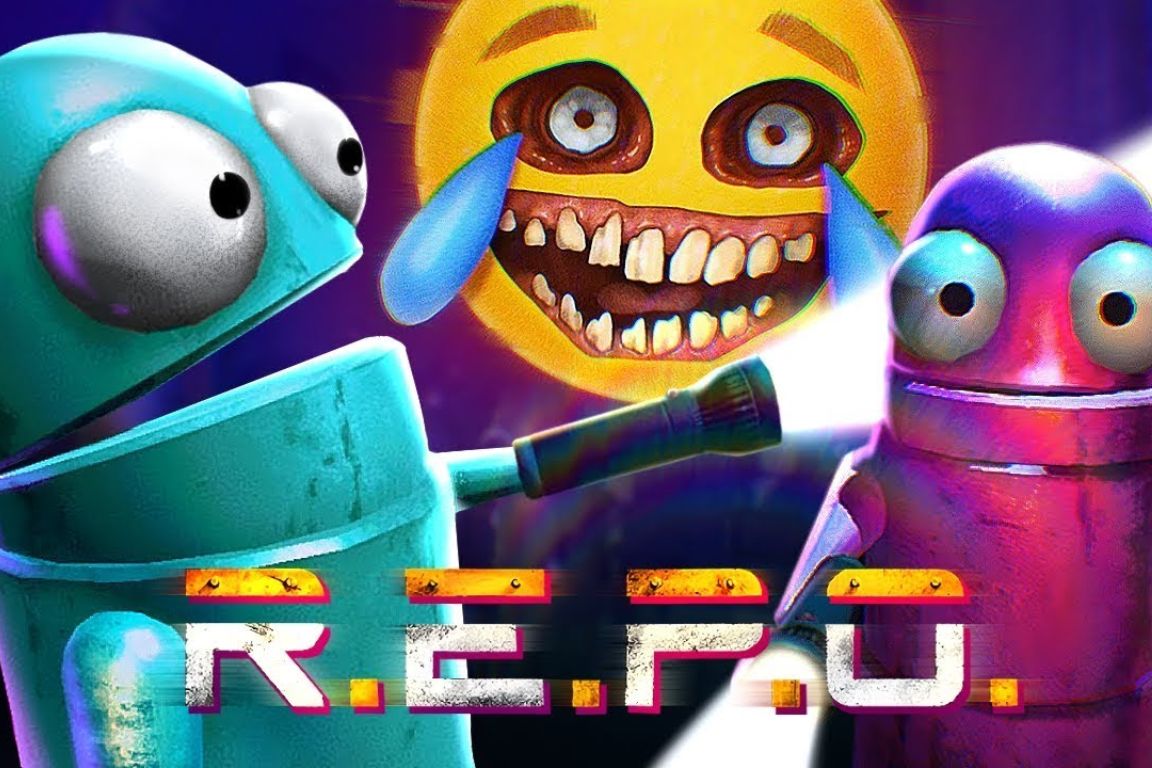
When a horror game studio apologizes for scaring you with the wrong kind of terror, you know the industry is evolving in the right direction. The team behind co-op horror sensation REPO just dropped their v0.3.1 patch, and it’s packed with more than just your standard bug squashing. This update represents a growing movement in gaming where developers recognize that psychological dread shouldn’t come from eight-legged creatures if players would rather face literal demons instead.
The standout feature? Full arachnophobia settings that fundamentally change how spider-like entities appear in-game. The development team even included an endearing apology note for not implementing these options sooner, acknowledging that accessibility features shouldn’t be afterthoughts in game design. But the improvements extend far beyond making the experience more comfortable for spider-phobic players. This patch fundamentally reshapes how REPO plays, especially when you’re coordinating with teammates in those nail-biting moments of cooperative survival.
Quality of life improvements that actually matter
Anyone who’s played a co-op horror title knows the frustration of accidentally dropping critical equipment while frantically checking your inventory during a chase sequence. REPO’s developers tackled this issue head-on by implementing a toggleable grab control system. Now, when you pull up your menu mid-panic, you won’t automatically release whatever you’re clutching. This seemingly small adjustment creates massive ripple effects for gameplay flow, particularly during those intense moments when every second counts.
The update also addresses the annoying item pickup delays that previously plagued the game. Players can now immediately grab new objects after unequipping something else, eliminating those frustrating microseconds where you’re vulnerable and defenseless. In a genre where timing often determines whether you survive or become monster chow, these refinements dramatically improve the overall experience.
Enemy AI gets a brain transplant
The patch notes reveal significant behavioral adjustments to two of REPO’s most notorious antagonists: Bella and Loom. These changes illustrate the delicate balancing act horror game developers must perform between maintaining tension and preventing cheap, unfair encounters.
Bella, the bell-ringing nightmare that has haunted players’ streams and Discord conversations, received a complete behavior overhaul. Her attack duration has been sliced in half, giving teams a better fighting chance during confrontations. More importantly, she now exercises better judgment about when to announce her presence. The entity will only ring her signature bell when she’s actually within striking distance, eliminating the psychological warfare of distant chiming that previously drove players into panic mode unnecessarily.
Perhaps the most welcome change addresses a persistent glitch where Bella would get stuck in environmental geometry, creating an awkward standoff that broke immersion completely. The developers implemented a despawn system that removes her from play if she becomes trapped, ensuring she won’t spend the remainder of your session flailing uselessly against a wall.
When enemies become smarter and dumber simultaneously
Loom presents an interesting case study in the complexity of enemy balancing. The developers simultaneously buffed and nerfed this particular threat, creating a more nuanced encounter that rewards smart play while punishing sloppy mistakes.
On the challenging side, Loom now exhibits enhanced persistence during pursuit sequences. She’s less likely to abandon the hunt prematurely, meaning players must maintain their evasion tactics for extended periods rather than relying on her giving up quickly. This change forces teams to communicate better and plan escape routes more carefully.
However, the developers also closed an exploit that allowed Loom to grab players through closed doors, which felt fundamentally unfair. This adjustment demonstrates the team’s commitment to difficulty that stems from intended mechanics rather than buggy behavior. You might face a more relentless adversary now, but at least solid doors actually provide the protection they should.
Technical stability takes center stage
Beyond gameplay tweaks, the patch addresses critical performance issues that plagued the multiplayer experience. Game freezes during level transitions have been eliminated, smoothing out one of the most jarring technical interruptions that could completely kill the horror atmosphere. Nothing breaks tension faster than watching a loading screen stutter for thirty seconds while your teammate is supposedly being chased by something horrifying.
The developers also implemented backend improvements targeting the dreaded Client Time Out errors that would boot players from sessions unexpectedly. While the patch notes indicate you’re “less likely” to experience these disconnections rather than guaranteeing their elimination, any reduction in multiplayer instability represents a significant step forward for a game built entirely around cooperative play.
The bigger picture for horror accessibility
REPO’s arachnophobia settings join a growing list of horror titles that recognize not everyone experiences fear the same way. Games like Grounded and Hogwarts Legacy have pioneered similar options, transforming spiders into less triggering visual representations while maintaining their mechanical threat level. This trend signals maturity in game development philosophy, where creating an inclusive experience doesn’t diminish the core horror elements that define the genre.
The casual apology included in the patch notes might seem like a minor detail, but it reflects a developer-player relationship built on mutual respect and understanding. Rather than dismissing concerns about specific phobias as invalid, the REPO team acknowledged that their oversight genuinely affected some players’ ability to enjoy their creation.
Conclusion
The v0.3.1 update for REPO demonstrates how post-launch support can transform a good game into a great one. By addressing accessibility concerns, refining enemy behaviors, and squashing technical issues, the developers have shown they’re committed to evolving their title based on community feedback. The balance adjustments to Bella and Loom suggest the team is actively monitoring how players engage with their game’s threats, making data-driven decisions to improve the experience without sacrificing challenge.
For anyone who bounced off REPO during its earlier versions due to spider anxiety, performance problems, or frustrating enemy encounters, this patch offers compelling reasons to give it another shot. The cooperative horror landscape continues to expand, but games that actively listen to their communities and iterate meaningfully stand the best chance of building lasting player bases.
Have you tried the new arachnophobia settings in REPO yet, and do you think more horror games should prioritize accessibility features like these?