



Six years after its surprise reveal, Capcom’s Pragmata is finally weeks away from launch, and it’s already making players think harder than most action games dare to.
Not about the story, not about the difficulty level, but about something far more fundamental: how you hold the controller.
Director Cho Yonghee recently addressed a question that’s been bubbling up since the Sketchbook demo dropped. The gap between playing Pragmata on a controller versus mouse and keyboard is, in his own words, “undeniably quite different.” That’s not marketing spin. It’s a candid admission that the game’s core mechanic, a real-time hacking system layered on top of third-person combat, hits differently depending on your input device. And the gap is wide enough that he’s actively encouraging players to try both.
What Makes Pragmata’s Input Question Unique
Most modern games offer controller and mouse and keyboard support as a formality. You plug in your preferred device and forget about it. Pragmata doesn’t have that luxury.
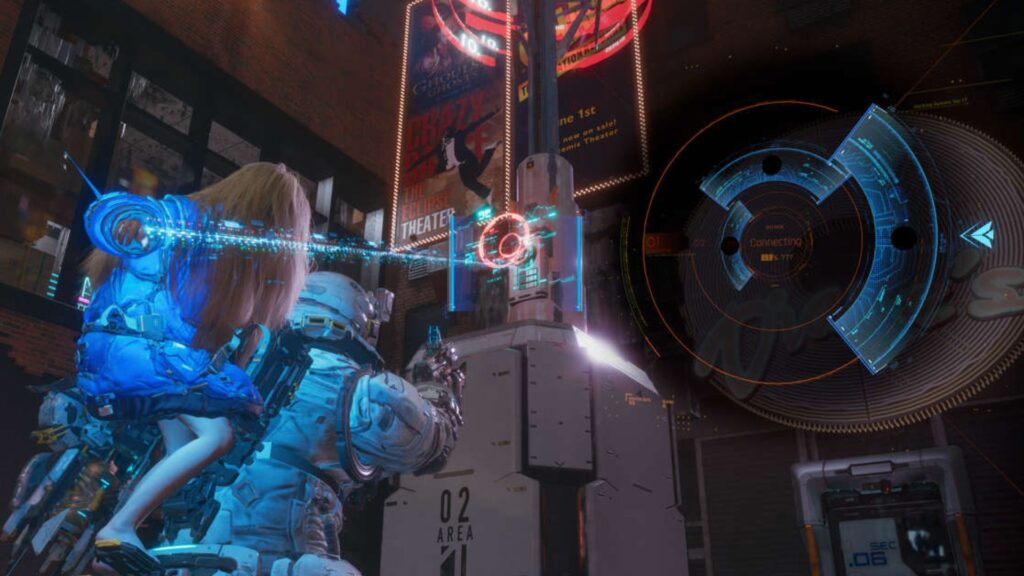
The hacking system at the heart of the game is mapped to the D-pad on controllers and to a side mouse button plus cursor movement on PC. On a controller, navigating hacks feels like a rhythm. On mouse and keyboard, it requires you to hold a button, move your cursor across the screen, and simultaneously maintain spatial awareness during active combat. That’s a fundamentally different cognitive demand, and it directly affects flow.
“The hacking controls, we’ve tried to make sure that it works as effectively as possible,” Yonghee explains. “If it’s possible for people to compare, I’d encourage them to do so.”
That kind of transparency is refreshing. Most studios stay quiet about input disparities and let players figure it out on their own, usually after they’ve already had a frustrating hour.
A Mechanic That Doesn’t Forgive the Wrong Tool
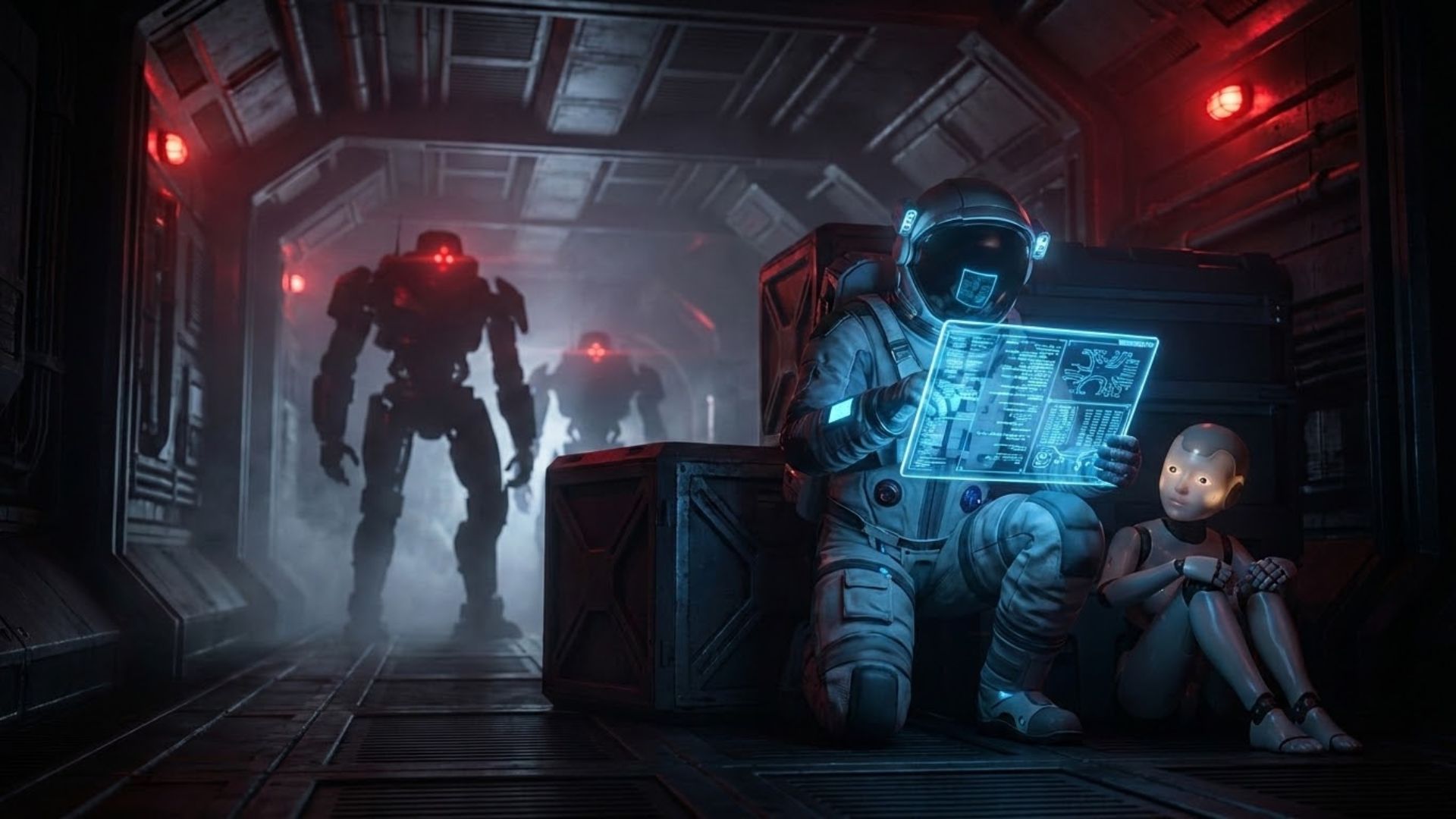
Hacking in Pragmata is not a side activity. It is the game. Hugh and Diana, the two protagonists players control simultaneously, work as a unit: Hugh handles movement and shooting while Diana strips enemy armor through a grid-based hacking interface. Every encounter is a multitasking puzzle. Timing a hack wrong, or fumbling the interface because your input method isn’t clicking, can break the entire flow of a fight.
This is why the input debate matters beyond personal preference. Getting doors open, accessing terminals, and stripping robot armor all run through the same hacking system. If your input choice creates friction there, you’ll feel it across the entire game, not just in boss fights.
Yonghee acknowledged the divide directly. “There are some people who find keyboard and mouse too tricky. There are others who definitely prefer it, and that goes for us on the team as well.” He even mentioned that his son is firmly in the keyboard and mouse camp. The divide runs through Capcom’s own development team.
Why This Debate Has Broader Implications
The controller versus keyboard debate is not new, but Pragmata adds a wrinkle that most action games skip. Its hacking layer is essentially a second control scheme living inside the first one. That design decision puts more pressure on input optimization than a straight third-person shooter ever would.
Capcom has been on an extraordinary creative run. Since 2017, the studio has rebuilt itself around quality and ambition, with hits like Devil May Cry 5, Resident Evil Village, and Street Fighter 6 all landing with critical and commercial success. Pragmata is something different though. It’s the studio’s first original IP in nearly a decade, a bet that Capcom can build a new franchise from scratch rather than leaning on its deep catalog.
The game launches April 17, 2026 on PS5, Xbox Series X/S, Nintendo Switch 2, and PC via Steam. A free demo, the Pragmata Sketchbook, is still available on Steam and has been since December 2025. Console players got access in February 2026. The demo runs about 20 minutes and covers the basics: shooting, hacking, traversal, and side arm usage. That is exactly long enough to play it twice, once per input method, which is precisely what Yonghee suggests doing.
The Honest Recommendation
Try both. Not because one is objectively better, but because the difference in this particular game is significant enough to affect how much you enjoy it. The Sketchbook demo exists for exactly this reason.
Mouse and keyboard players won’t find Pragmata unplayable. The team clearly put real work into optimizing both schemes. But if you have a controller nearby and have never touched it for PC gaming, Pragmata might be the game that finally convinces you to dust it off.
Six years is a long time to wait for a game. It would be a shame to spend the first hour fighting your own input device instead of the lunar robots trying to kill you.
With Capcom betting big on a brand new franchise in a crowded 2026 release calendar, the real question is whether Pragmata’s dual-character design and hacking loop are original enough to carve out a lasting identity, or whether the input learning curve becomes the first thing people talk about instead of the story.