




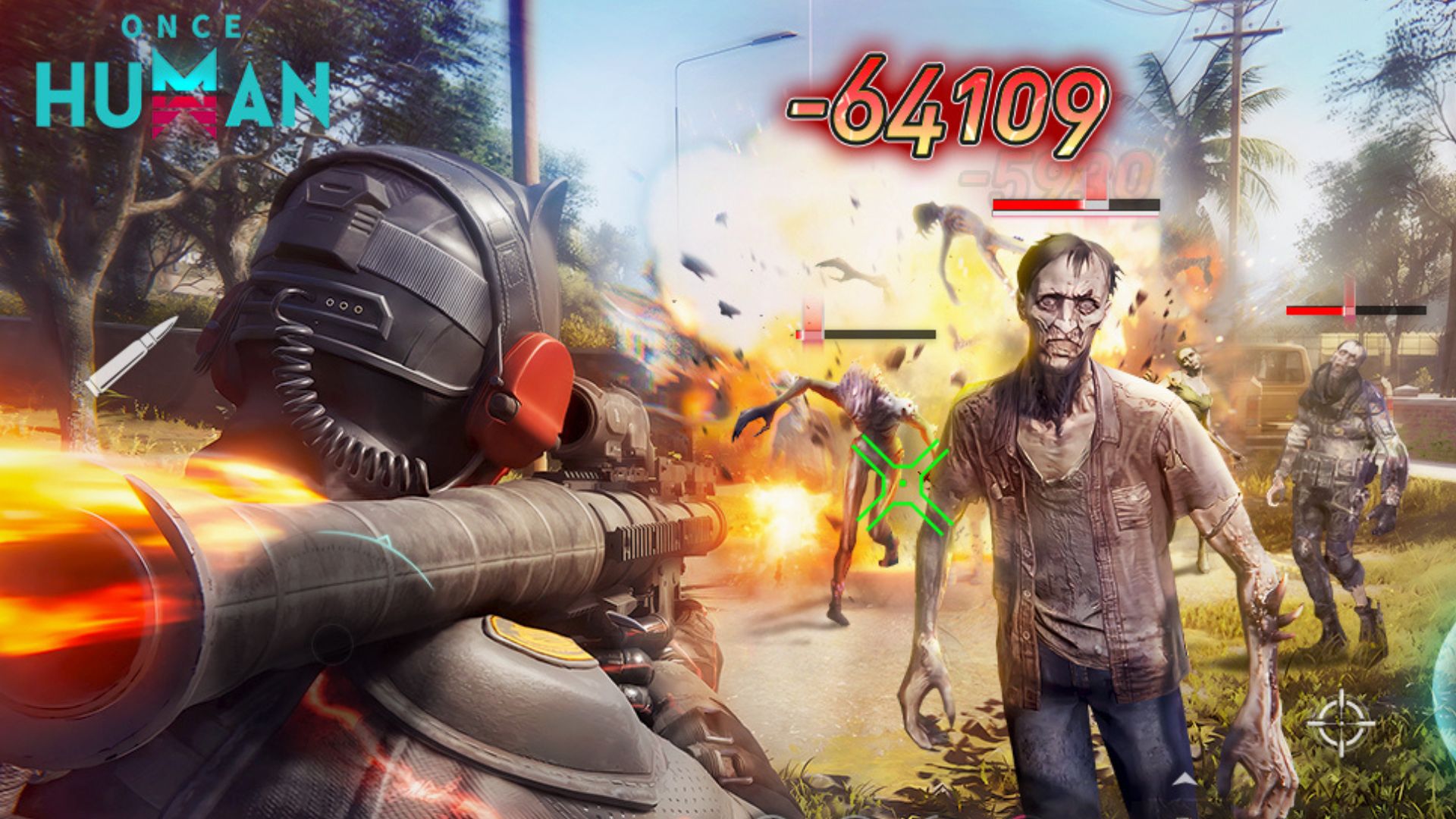
Few free-to-play survival games have managed to stick around long enough to matter. Most launch hot, bleed players within weeks, and quietly fade into the Steam graveyard. Once Human is not one of those games. Starry Studio’s open-world survival MMO launched in mid-2024, pulled in massive player counts, and then did something rare: it kept them. Now, heading into 2026 with console crossplay on the horizon, a brand new island map in development, and a seasonal model that keeps reinventing the experience every few weeks, Once Human has evolved from a promising newcomer into one of the most ambitious live-service survival games on the market.
Whether you are a returning veteran trying to make sense of the Year of the Monsters roadmap or a newcomer wondering if this is worth your time, this guide covers everything you need to know. We break down the latest 2026 updates and what they mean for the game’s future, walk through essential strategies for starting strong on any server, and give you an honest assessment of what Once Human gets right and where it still falls short.
Let’s get into it.
Once Human 2026 Update: Year of the Monsters, Console Launch, and Everything New
Starry Studio opened 2026 with a statement: this is the Year of the Monsters. The label is not just marketing. It signals a fundamental shift in how Once Human approaches content, systems, and player engagement heading into its second full year of live service.
The Island Scenario and a New Map
The biggest reveal is the island-themed PvE scenario currently in deep development. This is not a reskin of existing zones. It is a multi-island map with unique biomes per island, ocean surface survival mechanics, aquatic vehicles, and a final boss area set in the sea abyss. The concept art suggests underwater exploration and marine combat that Once Human has never attempted before.
For a game that has built its identity around landlocked post-apocalyptic environments, adding a water survival layer is a significant creative risk. But it also addresses one of the longest-standing criticisms: environmental repetition. Players who have cleared Venafort, the Annex Tundra, and every polluted zone in between have been asking for genuinely new terrain. Islands surrounded by open water are about as different as you can get.
Console Launch and Full Crossplay
Once Human is coming to PlayStation and Xbox in 2026 with full cross-platform support. PC, mobile, and console players will share servers. This is a big deal for the game’s population health. Survival MMOs live and die on player density, and adding two major console platforms to the mix should inject significant fresh blood into existing server ecosystems.
The console launch will also arrive alongside visual upgrades, including improved lighting and atmospheric effects. Starry Studio appears to be treating the console release as an opportunity to raise the game’s visual floor across all platforms.
System Overhauls: Techs, Mods, and Calibration
The Memetic system has been renamed to Techs and completely restructured. Techs are no longer tied to character level progression. Players start with basic Techs and unlock new ones through Reverse Engineering and Tech Invention, both of which depend on world exploration and enemy loot drops rather than XP thresholds. This is a meaningful change. It shifts progression from a passive leveling treadmill to an active discovery loop.
The calibration system has been removed entirely. Starry Studio acknowledged it was “low fun with high complexity” for seasonal gameplay, which is a refreshingly honest assessment from a developer. In its place, crafting now uses calibrated blueprints that activate attribute effects directly. Workbenches no longer handle calibration. Two random offensive substats merge into one bonus attribute with a higher cap. The net effect is simpler gear crafting with comparable or better power output.
The Mod system has also been reworked. The classic mod list remains available, but the new interface offers clearer stat presentation and easier build planning. For a game that already had an impressive amount of build diversity, streamlining the mod system without reducing depth is exactly the right move.
Polluted Zones Get Randomized
Polluted zones now generate randomly per server, meaning your server’s map layout will feel different from someone else’s. Pollution values have been stabilized so the risk-reward calculation is clearer: higher pollution equals better resources and spawn chances, period. Building inside polluted zones now requires feeding materials to protect structures from continuous corrosion, adding a maintenance minigame that scales with pollution intensity.
Fools, the punishing enemies that used to spawn at low sanity, are no longer triggered by sanity alone. They are now tied to wild deviants in polluted zones, and their instant-elimination behavior has been removed. This is a quality-of-life win for players who found the old fool mechanic more frustrating than threatening.
The X Days Till the End Collaboration
A crossover with X (10) Days Till the End, based on a Chinese novel, is coming in 2026. The collaboration introduces a new game mode set in the Endless Lands where players battle Zodiacs using special Echo skills and collect Dao. Details remain thin, but IP crossovers in live-service games tend to bring temporary population spikes, and Once Human could use the cultural bridge to expand its audience beyond its current base.
| 2026 Milestone | Status |
| Island PvE scenario (new map) | In development |
| Console launch (PS5, Xbox) | Confirmed for 2026 |
| Full cross-platform play | Launching with console release |
| Tech system overhaul (formerly Memetics) | Live |
| Calibration system removal | Live |
| Visual and lighting upgrades | Coming with console launch |
| X Days Till the End collaboration | Announced |
| RaidZone quarterly updates | Ongoing |
Once Human Beginner Guide 2026: How to Start Strong on Any Server?
Once Human throws a lot at you in the first hour. Between the character creator, the interdimensional tutorial sequence, the talking bird, the telekinesis powers, and the wall of tutorial pop-ups, it is easy to feel overwhelmed before you even place your first foundation. The good news is that the core loop is simpler than it looks, and a few smart decisions in your first session can set you up for efficient progression across the entire scenario.
Choosing Your Scenario and Server
Once Human now offers multiple scenario types, each with distinct rulesets and gameplay loops. For new players, Way of Winter and Manabus are the strongest starting points. Way of Winter is a PvE-focused scenario with a 22-day duration, cold survival mechanics, and dynamic world phases that keep the experience feeling active. Manabus is a more traditional 40-day scenario with massive bosses and a broader progression curve.
Avoid RaidZone and Evolution Call unless you specifically want aggressive PvP from the start. Deviation: Survive, Capture, Preserve is essentially Pokemon inside Once Human, which is fun but strips out core combat and building systems.
When selecting a server, do not hit Quick Join. Instead, manually search for a server that has been live for at least one to two weeks. This gives you immediate access to multiple weeks of commissions, which are weekly tasks that reward massive amounts of XP and Energy Links. Joining a fresh server means waiting for those commissions to unlock naturally. Joining a mature server lets you complete weeks of accumulated tasks in a single session.
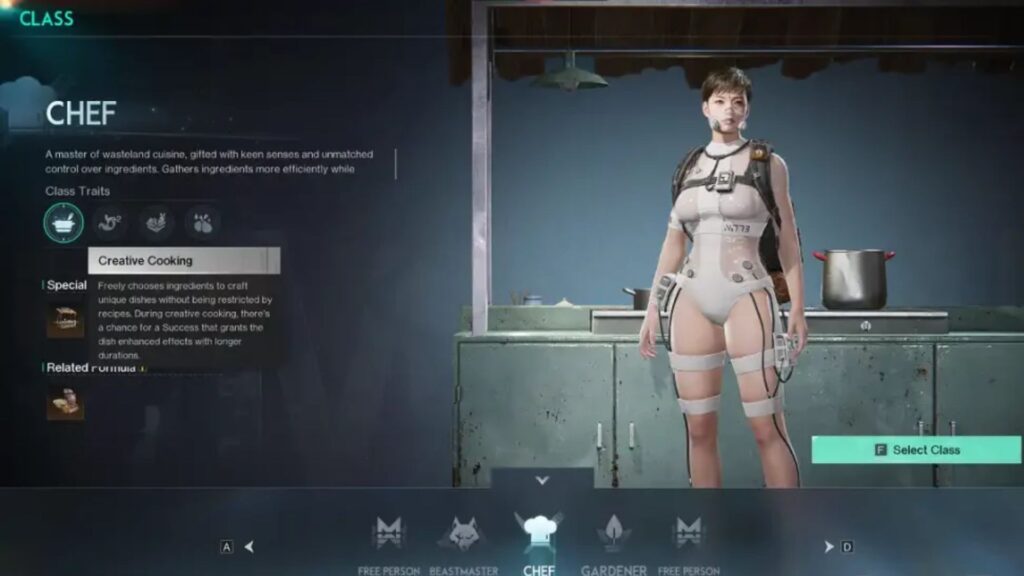
Class Selection: Chef Is King
The class system offers several specializations, but Chef is the strongest all-around pick for any scenario. The Glutton perk lets you consume more food than normal and stack up to four simultaneous food effects, two from drinks and two from snacks. In a game where food buffs can increase damage output, cold resistance, HP, movement speed, and stamina efficiency, having double the buff slots is a compounding advantage that scales throughout the entire scenario.
Beast Master is interesting for pet-focused builds, and Gardener appeals to base-building enthusiasts, but neither matches Chef’s universal utility. If you are unsure, pick Free Person and convert to Chef once you have experimented.
The First Hour: Commissions Before Combat
Resist the urge to rush into combat zones. Your first priority should be commissions. Open the commission menu through V’s interface and look for tasks you can complete inside or near your base: smelting ores, laying foundations, crafting ammo, harvesting plants, liking other players’ posts. Many of these take seconds to finish and reward enough XP to jump several levels immediately.
Refresh commissions that look time-consuming and reroll for quick completions. With access to multiple weeks of accumulated commissions on a mature server, you can realistically reach level 25 within your first hour of play.
Essential Early Crafting
Prioritize unlocking these Techs in order: Furnace and Smelting Essentials, Primary Supplies Workbench, Primary Gear Workbench, Stove, Disassembly Bench, Ammunition, Adrenaline Shots (self-revive), and Vehicle Garage.
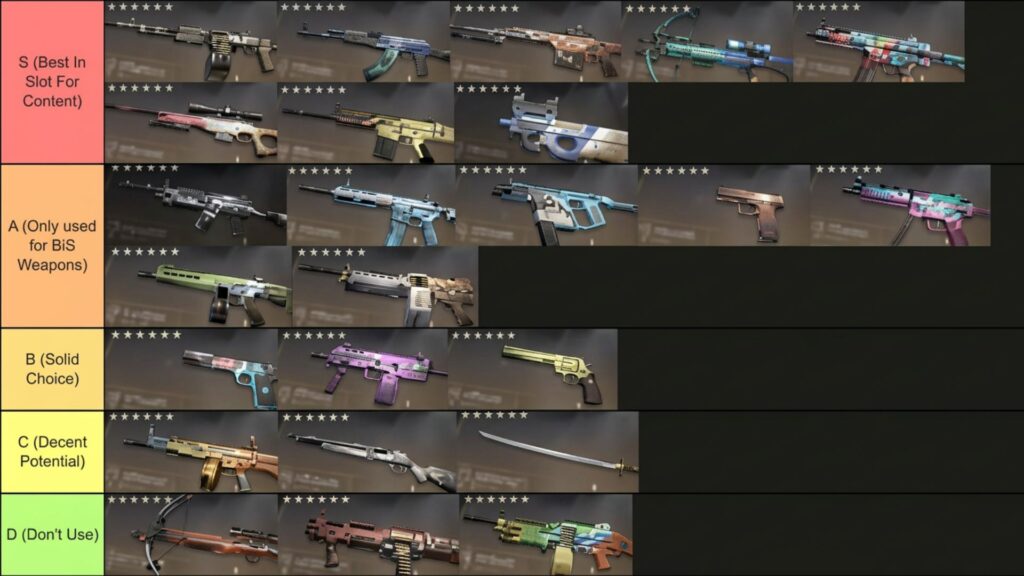
For your first weapon, craft a crossbow. It deals high damage per shot, uses retrievable arrows from corpses (saving ammo resources), and scales well into mid-game content. Add a Power Surge mod for immediate damage amplification.
For armor, craft a full Tier 1 set as soon as possible. Pay attention to the height materials you use during crafting, as different animal hides provide different stat bonuses. Cow hides from bison increase carry capacity. Legendary variants can add cold or frost resistance, HP bonuses, and hypothermia immunity. In Way of Winter, these resistances are not optional. They are survival requirements.
Food Is Your Best Weapon
Most new players ignore cooking. Do not make this mistake. In Way of Winter, a Salty Roasted Spike Tomato increases cold resistance by 10%. A Sunny Ginger pushes your temperature status from “Cold” to “Cozy.” Combined with the Chef class’s four-buff capacity, food alone can solve your survival problems and boost your damage output simultaneously.
Unlock the Stove, then the Integrated Kitchen for advanced recipes. Cat Steak increases shrapnel damage. Stardust Ratatouille boosts movement speed and reduces stamina consumption. Shellfish Meat increases vulnerability damage. These are not minor quality-of-life perks. They are build-defining multipliers.
Returning Players: Inherit Smart
If you are coming from another scenario, use the inheritance system to bring an Advanced Electric Rock Drill (mines any ore type instantly), an Advanced Logging Chainsaw, and a Festering Gel deviation (prioritize high activity rating for frequent use). These three items eliminate early-game resource grinding almost entirely and let you focus on commissions and Tech progression from minute one.
Once Human Review 2026: Is It Worth Playing After 18 Months?
Once Human has been live for over 18 months now. The honeymoon phase is long over. The question is no longer whether this game has potential. It is whether Starry Studio has delivered on it.
The short answer: mostly yes, with caveats.
What Once Human Gets Right
The world is the star. Once Human’s post-apocalyptic setting wraps alien infestation around familiar survival game structures, and the result is a game full of genuine surprises. Light bulbs have turned into giant spiders waiting to ambush you. A monster with a traffic cone for a head blocks your path. Chasing a ghost’s lost puppy through cryptic riddles is somehow a real quest. The environmental storytelling leans into weirdness in ways that keep exploration rewarding even dozens of hours in.
The survival crafting loop is deliberately simple, and that is a strength. Resources are abundant. A single tree gives you dozens of logs. Ore nodes respawn in minutes. You can relocate your entire base with a single click. The game clearly decided that base building should be fun, not punishing, and the result is one of the most accessible building systems in the survival genre. The expanded specialization paths, from weapon smithing to animal husbandry to self-sufficient farming, add depth without adding friction.
The looter-shooter build system is genuinely impressive and something most players do not expect from a game that markets itself as a survival crafter. Gear sets have build-defining bonuses. You can build around burn damage, critical hits, status effects, or elemental synergies. Seasonal perks on your backpack function like Destiny’s artifact system. Deviation companions add another layer, from combat support to resource gathering to teleportation-enabled melee attacks. The itemization has real depth, and the seasonal resets give you reasons to experiment with entirely different builds.
The seasonal model itself is Once Human’s secret weapon. Every scenario introduces different mechanics, from extreme cold survival to Blood Moon modifiers to gravity changes. When a season ends, you keep blueprints, recipes, and story progression but reset your level and Tech tree. The result is a survival game that actually gives you reasons to start over, something the genre has historically struggled with.
And the free-to-play model remains remarkably fair. There is no pay-to-win. The cash shop sells cosmetics. The battle pass free tier includes progression currencies. Star Chrom and Controllers, the two primary power-gating currencies, cannot be purchased with real money. For a free-to-play looter game in 2026, this is exceptional restraint.
Where It Still Falls Short
Difficulty remains inconsistent. Outside of monolith bosses and high-pollution zones, most combat encounters are trivially easy. The early game in particular suffers from this, especially on novice servers that the game assigns by default without clear indication. Hard mode servers are significantly better, but the game does a poor job of steering experienced players toward them.
The Wish Machine progression system is the game’s most contentious design choice. It functions like a gacha machine. You spend Star Chrom, pull a lever, and hope for good blueprints. You cannot pay real money for Star Chrom, which keeps it out of pay-to-win territory, but the RNG-driven progression model still feels worse than farming bosses directly for loot drops. The fact that Star Chrom is weekly-capped adds time-gating on top of randomness, which compounds the frustration.
The menu and UI situation is genuinely bad. The game tracks progression across at least eight separate menu systems: Journey, Season Goals, Mayfly’s Fantastic Journey, Events, Community Events, Discord Rewards, Battle Pass, and regular event tabs. Each requires manual interaction to claim rewards. Each has its own sub-menus and currencies. Consolidating these into two or three unified systems would dramatically improve the daily experience.
The seasonal wipes, while creatively justified, will not work for everyone. If you want long-term permanent progression in a single save, Once Human’s 22-to-40-day scenario cycles will feel like a treadmill. The game offers Eternal Land as a wipe-free building mode, but it is a separate space. Your main progression resets. For players who want one persistent world, this is a dealbreaker.
PvP remains rough. Most community feedback points to bugs, exploits, and balance issues in PvP-focused scenarios. If competitive player-versus-player combat is your primary motivation, Once Human is not the game for you in its current state.
The Verdict for 2026
Once Human is a game that probably should not work. It blends survival crafting with looter-shooter itemization, MMO-lite social systems, creature collecting, and a seasonal live-service model. Each of those genres carries its own baggage. Combining them should result in a confused, bloated mess.
Instead, it results in a game that has something to offer almost everyone. The survival crafting is accessible. The build system has real depth. The world is genuinely weird and interesting. The free-to-play model is fair. And the seasonal structure solves the biggest problem in survival games: the lack of reasons to keep playing after you have built your dream base.
It is not perfect. The difficulty curve needs work. The Wish Machine is a poor substitute for direct loot farming. The UI is a nightmare of nested menus. And the seasonal resets will alienate players who want permanence. But for a game that costs zero dollars to try, Once Human in 2026 offers more content, more creativity, and more reasons to come back than most full-priced survival games on the market.
If you enjoy the intersection of Rust, Warframe, and The Division, with a side of Pokemon and a heaping dose of interdimensional body horror, this is worth your time. The Year of the Monsters is just getting started.