




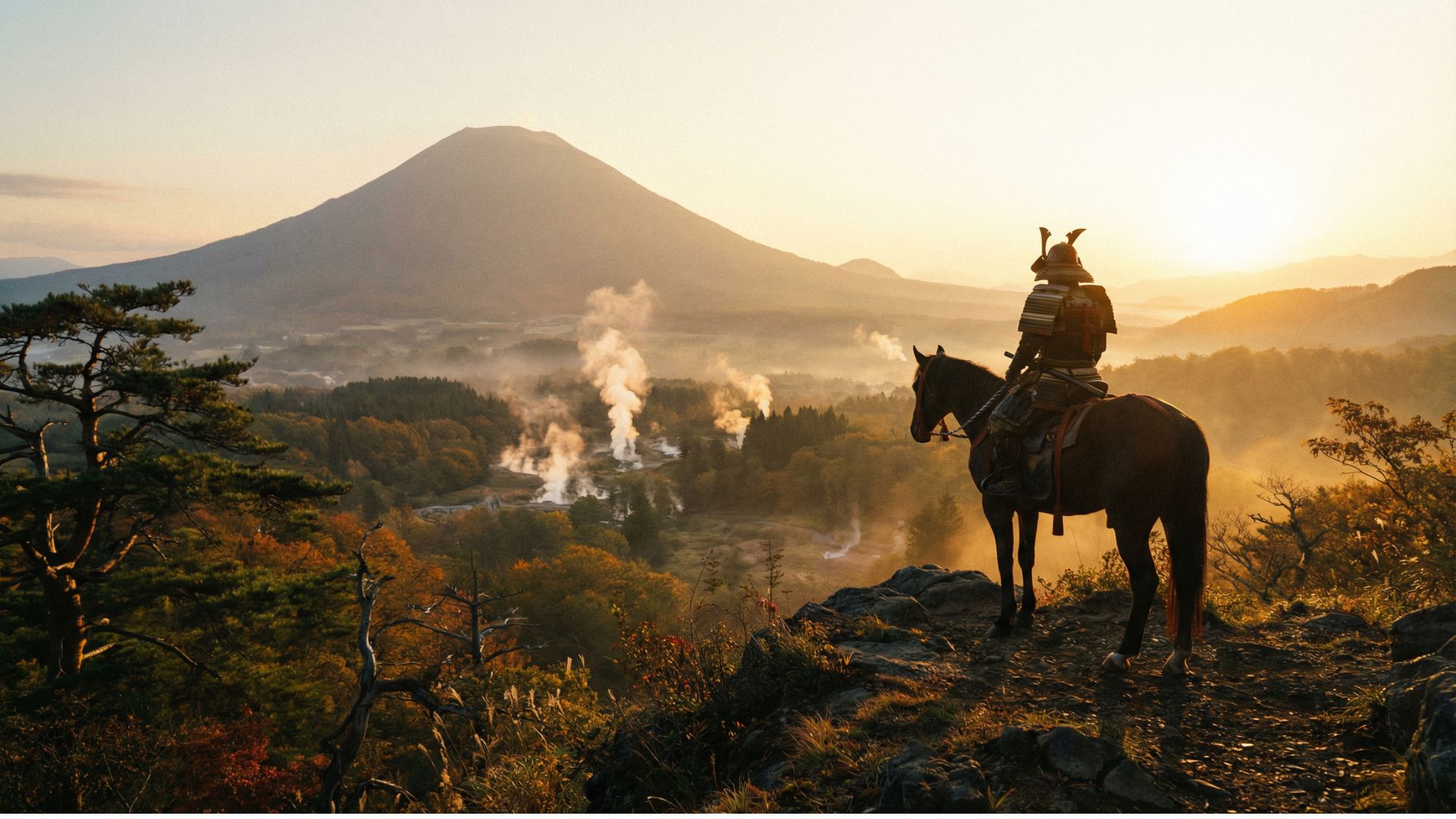
The biggest skill Ghost of Yotei never explicitly teaches you is the one that determines everything else: learning to read the horizon.
Sony’s sprawling open world RPG drops you into vast wilderness areas packed with secrets, upgrades, and progression opportunities hidden in plain sight. The game trusts you to figure out its visual language, using environmental cues like colored trees, steam columns, and smoke plumes to guide exploration. Master this skill early, and you’ll control your own destiny. Miss it, and you’ll wander for hours wondering why your character feels underpowered.
After spending considerable time with Yotei, one regret stands above all others: not understanding where to find everything sooner. Character progression ties directly to discovering specific locations scattered across the map. Hot springs boost health. Altars unlock abilities. Wolf dens expand companion features. Knowing what to look for and how to spot it from a distance transforms the entire experience.
Here’s everything I wish someone had told me before I started.
Understanding the visual language of the landscape
Ghost of Yotei communicates through its environment rather than quest markers and minimap icons. This design philosophy creates beautiful moments of organic discovery but can leave players frustrated if they don’t crack the code.
Different colored trees poking above the treeline often signal points of interest. Steam rising in the distance indicates hot springs. Smoke columns mark settlements, enemy camps, or other activities worth investigating. Learning to scan the horizon for these visual anomalies becomes second nature eventually, but deliberately practicing this skill from the start pays massive dividends.
The game does provide assistance through birds that guide you, purchasable maps, and NPC hints. However, these systems supplement rather than replace environmental awareness. You’ll miss crucial locations if you rely solely on these aids without developing your own observation skills.
Environmental clues and their meanings:
| Visual Cue | Typical Indication | Priority |
|---|---|---|
| Colored trees (distinct from surroundings) | Points of interest | High |
| Steam columns | Hot springs (health upgrades) | Very high |
| Smoke plumes | Settlements or camps | Medium |
| Small rocky hills with trees | Wolf dens | High (easy to miss) |
| Unusual rock formations | Altars of Reflection | Very high |
Essential early game knowledge
Before diving deep into exploration, several fundamental decisions and mechanics deserve attention.
The horse selection at the game’s start is permanent. Whatever animal you choose accompanies you throughout the entire journey, so pick wisely based on aesthetics or any stat differences rather than assuming you’ll swap later.
Those cinematic black bars appearing during horseback riding can be disabled in settings if you prefer unobstructed views. Some players love the film-like presentation while others find it limiting during exploration. Personal preference rules here.
Regarding game length, Ghost of Yotei’s open structure creates highly variable playtimes. Players who beeline through main content will finish much faster than completionists exploring every corner. The freedom to approach content in any order means your journey length depends entirely on playstyle.
Weapons aren’t story-locked (mostly)
Here’s something that surprised me considerably: you can unlock all six main weapons before touching the primary storyline. The game feels like it should gate these tools behind narrative progression, but in reality, you just need access to the relevant map areas.
This freedom means aggressive early exploration can arm you with a complete arsenal while the story barely progresses. Whether this appeals depends on your preferences, but knowing the option exists helps with planning.
Available weapon categories:
| Type | Acquisition | Notes |
|---|---|---|
| Main weapons (6 total) | Area access only | Not story-locked |
| Throwable tools | Various methods | Mix up combat options |
| Gun parts | Late game resource | Limits final upgrades |
Gun parts represent the notable exception to early acquisition. These resources appear late in the game, so don’t stress about fully upgrading firearms until the story progresses sufficiently.
The locations that matter most
Three location types drive character progression more than anything else. Finding them early and often creates a dramatically smoother experience.
Altars of Reflection unlock core ability upgrades. Each altar discovered and prayed at grants points applicable across skills, powers, and weapon proficiencies. These locations often feature distinctive rock formations or spiritual architectural elements visible from moderate distances. Prioritize finding these above almost everything else.
Hot Springs permanently increase maximum health with each visit. Given how prolonged some combat encounters become in Yotei, additional staying power makes substantial differences. Steam columns rising above the landscape signal these locations from considerable distances, making them relatively easy to spot once you know what to look for.
Wolf Dens prove trickiest to locate consistently. Your wolf companion gets introduced gradually and appears somewhat randomly for much of the early game. The dens themselves are small rocky hills topped with single trees, a profile easy to overlook until you’ve memorized the distinctive silhouette from various angles and distances.
Skill upgrade priorities
Once you’re finding Altars of Reflection regularly, knowing where to invest points becomes crucial. The upgrade system spans numerous categories, and spreading points too thin delays access to powerful abilities.
Focus initially on skills that enhance your preferred playstyle rather than trying to level everything equally. If you favor aggressive melee combat, prioritize those upgrades. If stealth appeals more, invest there first. The game rewards specialization early before you’ve accumulated enough points for broader coverage.
Weapon proficiencies also compete for altar points. Identify which weapons suit your combat preferences and concentrate upgrades accordingly. Attempting to master all six weapons simultaneously spreads resources too thin during the critical early game.
Money matters (eventually)
Currency in Ghost of Yotei funds equipment upgrades, map purchases, and various other necessities. However, certain upgrade materials remain story-locked regardless of your bank balance.
Understanding this timing prevents frustration. There’s little point hoarding massive wealth early when upgrade materials aren’t available yet. Spend freely on maps, consumables, and available upgrades without stressing about saving for later. The economy becomes more relevant once the story unlocks additional crafting resources.
The undying armor advantage
One specific gear set deserves early attention: the Undying Armor. This equipment provides substantial power considering how early in the game you can acquire it. While better gear eventually appears, starting with Undying Armor smooths the difficulty curve considerably.
Seek this set out before progressing too far into challenging content. The protection and bonuses it provides punch above the expected weight class for early game equipment, giving you breathing room to learn combat systems without constant death.
Developing horizon reading habits
Practical tips for improving environmental awareness:
Stop regularly on elevated ground and slowly pan the camera across the entire horizon. Look specifically for color variations, rising particles, and unusual shapes breaking the natural treeline.
When fast traveling or entering new areas, resist the urge to immediately head toward objectives. Spend thirty seconds surveying surroundings first. You’ll frequently spot nearby upgrades that would otherwise go unnoticed.
Mental note distinctive landmarks near discovered locations. Ghost of Yotei’s world has consistent geography, so remembering that a particular hot spring sits near a certain mountain peak helps with navigation on return visits.
Quick reference: location spotting:
| Location Type | Distance Visibility | Identifying Feature |
|---|---|---|
| Hot Springs | High | Steam columns |
| Altars | Medium | Rock formations, architecture |
| Wolf Dens | Low | Small rocky hills with trees |
| Settlements | High | Smoke columns |
| Enemy Camps | Medium | Smoke, activity |
Putting it all together
Ghost of Yotei rewards patience and observation over rushing toward objectives. The game’s freedom can feel overwhelming initially, but that same freedom means you control progression pacing entirely.
Develop the habit of reading landscapes early. Prioritize hot springs and altars for meaningful stat gains. Grab the Undying Armor as soon as possible. Unlock weapons as areas open rather than waiting for story permission. And always, always spend extra seconds scanning horizons when entering new territory.
The skills and gear will come naturally once you’ve mastered finding them. Everything else in Ghost of Yotei builds upon that foundation of environmental literacy.
What exploration tip took you longest to figure out in Ghost of Yotei, and what would you tell new players to prioritize first?


)