




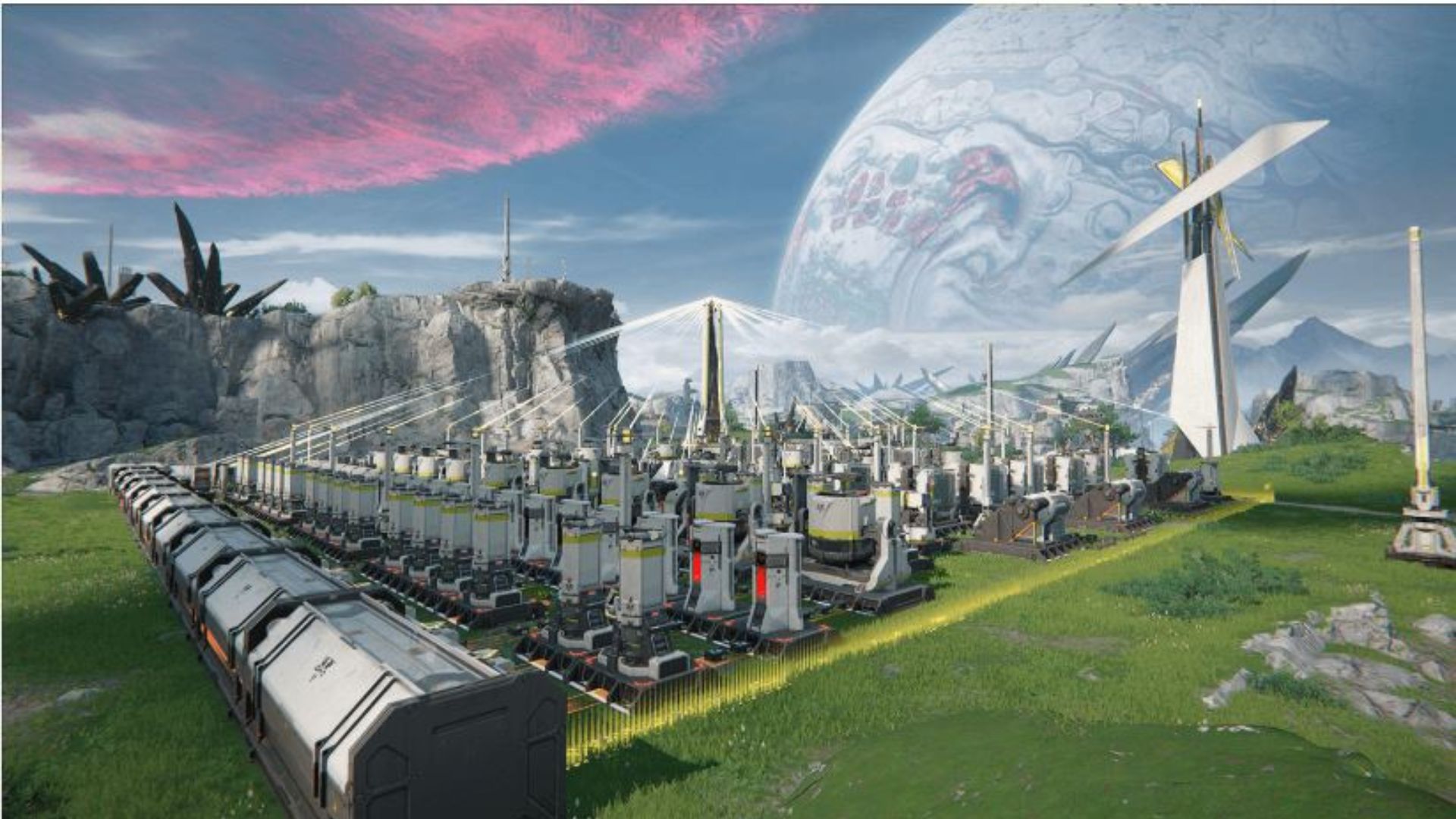
Wuling hits different. After spending dozens of hours in Valley IV learning how cable routing and power management work, the game throws you into a region where everything operates on different rules. Wireless Xiranite pylons replace traditional power lines. Water sources fuel production chains. The entire factory philosophy shifts, and if you’re not prepared, the transition feels jarring.
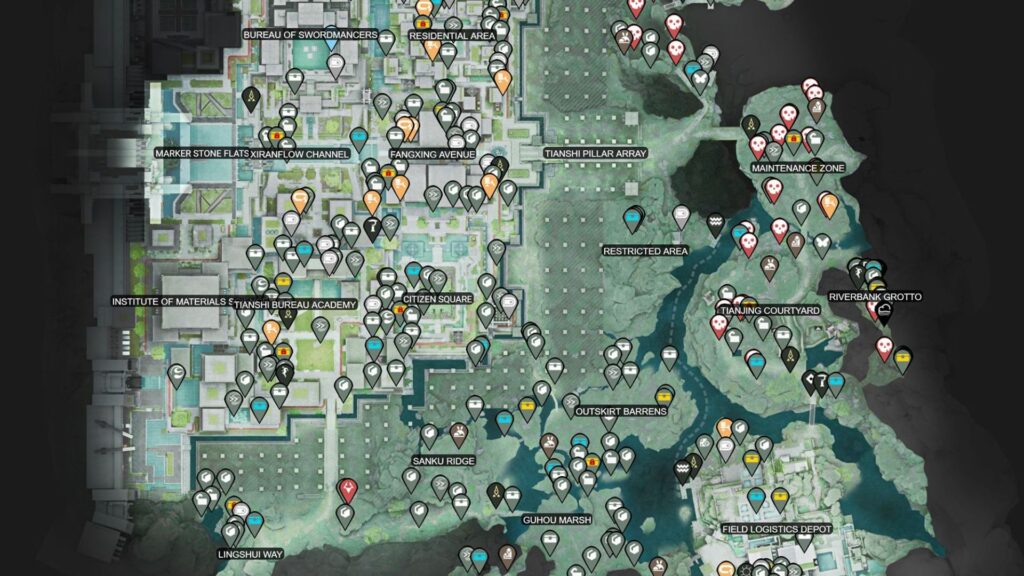
I wandered around Wuling for my first few hours there completely lost. The bamboo forests are gorgeous, but they also hide resource nodes and collectibles behind terrain that looks passable but isn’t. Having a proper map showing exactly where everything sits would have saved me significant frustration and wasted travel time.
understanding wuling’s layout
Wuling currently consists of two main areas: Wuling City and Jingyu Valley. The region is smaller than Valley IV at launch, but future updates will likely expand the available territory. For now, completionists need to focus their efforts on these two zones.
The terrain is vertical in ways Valley IV never attempted. Cliffs, elevated platforms, and multi-level structures require creative zipline placement to navigate efficiently. Planning your transportation infrastructure around collectible locations and resource nodes from the start prevents painful reconstruction later.
Water bodies scattered throughout both areas aren’t just decoration. They’re functional resource points that feed into Wuling’s unique production chains. Mapping these alongside traditional materials helps when planning factory layouts.
Done With Pay-to-Win?
This One’s Different.
Open-world tactical RPG. No gacha traps. Cross-save across PS5, PC and Mobile. Your squad, your rules.
aurylene locations
Aurylene collectibles function like the exploration rewards from Valley IV but with updated visuals matching Wuling’s aesthetic. Each one provides upgrade materials and contributes toward regional completion percentages.
Wuling City contains the majority of Aurylene spawns, concentrated around the central urban structures and surrounding outskirts. Several hide inside buildings that require entering through specific doorways rather than approaching from obvious angles.
Jingyu Valley spreads its Aurylene more evenly across the landscape. The bamboo groves obscure sightlines, making distant collectibles harder to spot during normal exploration. Climbing to elevated positions and scanning the surroundings reveals spawns you’d otherwise walk right past.
The reward value per Aurylene doesn’t differ between locations. Collecting them systematically while completing other objectives makes more sense than dedicated farming runs. I typically grab any I pass during daily material routes rather than treating them as separate checklist items.
protocol datalogger positions
Protocol Dataloggers are the collectibles that actually matter for progression. Each one provides technology points that unlock AIC upgrades and factory capabilities specific to Wuling. Missing these directly impacts how quickly you can optimize your regional production.
Wuling City dataloggers tend to sit in obvious locations near major landmarks. The developers placed them along natural exploration paths, rewarding players who thoroughly investigate new areas before rushing to objectives.
Jingyu Valley hides its dataloggers more aggressively. Several require solving minor environmental puzzles or defeating enemy camps guarding the approach. One particularly annoying spawn sits behind a waterfall that doesn’t look interactive until you walk directly into it.
Prioritize datalogger collection over other Wuling activities during your first exploration pass. The technology unlocks they provide compound in value. Getting them early accelerates everything else you’ll do in the region.
depot node locations
Depot nodes in Wuling follow the same delivery mechanics as Valley IV but with adjusted positioning that accounts for the new terrain challenges. The vertical landscape means some nodes sit on elevated platforms requiring zipline access rather than ground approaches.
Wuling City nodes cluster around the main settlement areas and transportation hubs. Once you establish ziplines connecting major city sections, reaching these becomes trivial.
Jingyu Valley spreads nodes across wider distances with less convenient clustering. Building a comprehensive zipline network covering the entire valley takes significant resource investment but pays off through daily time savings.
Unlike Valley IV where I eventually memorized every node location through repetition, Wuling’s layout still trips me up occasionally. Keeping a reference map open during delivery runs prevents missed stops and wasted backtracking.
rare ore deposits
Wuling introduces Xiranite as its signature mineral, processed through the Forge of the Sky rather than traditional refiners. The ore deposits glow with a distinct blue-white color that stands out against the green bamboo environment.
Standard Xiranite nodes appear frequently throughout both areas. You won’t struggle to find enough for basic production once power infrastructure reaches the deposits.
The critical resource bottleneck is Ferrium. Only one Ferrium deposit currently exists in Wuling, located in an area blocked by Blight corruption until you progress far enough through the regional storyline. Planning your factory around this scarcity prevents frustrating production stalls.
Amethyst nodes exist in Wuling but in lower density than Valley IV. If your production chains require significant Amethyst input, consider maintaining Valley IV operations rather than trying to source everything locally.
rare growth spawns
Wuling’s plant life differs from Valley IV both visually and functionally. New growth types feed into region-specific recipes that don’t exist elsewhere in the game.
Sandleaf is the signature Wuling plant, required for several production chains including high-tier consumables. Growth spawns appear near water sources more frequently than dry terrain, which makes sense given the plant’s apparent moisture requirements.
Establishing infinite Sandleaf loops in your factory requires finding initial samples in the wild. The Seed-Picking Unit works identically to Valley IV plants, converting harvested Sandleaf into seeds that fuel perpetual production.
Other growth types supplement consumable crafting and provide alternative ingredients for recipes with flexible inputs. Collecting samples of everything during exploration gives you options when optimizing production later.
water source mapping
Water is the defining resource difference in Wuling. Production chains for region-exclusive items require water input that doesn’t exist in Valley IV’s infrastructure model.
Ponds and reservoirs scattered throughout both areas provide extraction points. Not every body of water is functional. Some are purely decorative while others connect to the production system. Interacting with water sources reveals which ones support extraction.
Planning factory layouts around water access determines how efficiently you can produce Wuling-specific goods. Building production chains far from water sources requires longer routing that wastes space and complicates expansion.
I initially placed my first Wuling factory structures without considering water proximity. Rebuilding a week later to optimize access felt wasteful, but the efficiency gains justified the reconstruction effort.
zipline planning strategy
Wuling’s terrain demands more extensive zipline networks than Valley IV ever required. The vertical complexity means straight-line connections often don’t work. You need intermediate pylons on cliff edges and elevated platforms to create functional routes.
Start by connecting your main PAC location to the closest depot nodes and rare resource spawns. These daily destinations deserve priority access before you worry about reaching every corner of the map.
Secondary ziplines should link collectible clusters and exploration objectives. Having quick access to areas with remaining Aurylene or dataloggers makes completion runs faster once you’re ready to focus on them.
The resource cost for Wuling ziplines includes Xiranite rather than Valley IV materials. Establishing basic Xiranite production before going heavy on infrastructure prevents situations where you can’t afford the pylons you need.
completing the sky king flats outpost
The Sky King Flats outpost unlocks after progressing through Wuling’s main storyline far enough. This outpost introduces trading options unavailable in Wuling City and opens production possibilities that define late-game regional optimization.
The area surrounding Sky King Flats contains its own collectibles separate from Wuling City and Jingyu Valley counts. Exploring thoroughly after the outpost unlocks reveals resources you couldn’t previously access.
Yazhen Syringe production becomes viable once Sky King Flats is operational. This production chain drives rapid regional development progression, making outpost completion a priority milestone rather than optional side content.
dealing with the blight
Blight corruption blocks access to certain Wuling areas until you complete specific story missions that clear the contamination. Trying to rush exploration before dealing with Blight results in frustrating invisible walls and inaccessible zones.
The Ferrium deposit mentioned earlier sits behind Blight that doesn’t clear until relatively late in Wuling’s storyline. Planning around this limitation means either accepting Ferrium scarcity early or maintaining Valley IV imports through Metastorage Transfer.
Cleared Blight areas don’t respawn corruption. Once you’ve opened a zone, it stays open permanently. Revisiting previously blocked locations after story progression often reveals collectibles and resources you couldn’t reach during initial exploration.
region completion rewards
Fully completing Wuling’s exploration provides cumulative rewards that justify the collection effort. Technology points from dataloggers directly improve factory capabilities. Materials from Aurylene and other collectibles supplement production stockpiles.
The completion percentage displayed on your map screen tracks overall progress across all collectible categories. Reaching 100% requires finding every single spawn point in both Wuling City and Jingyu Valley.
Completionists should note that future updates will likely add new areas to Wuling, resetting the completion grind. Enjoying the process rather than racing to finish prevents burnout when new content expands the checklist.
putting it all together
Wuling rewards preparation and planning more than Valley IV ever did. The resource differences, terrain challenges, and Blight restrictions create a learning curve that catches players off guard if they expect a simple reskin of earlier regions.
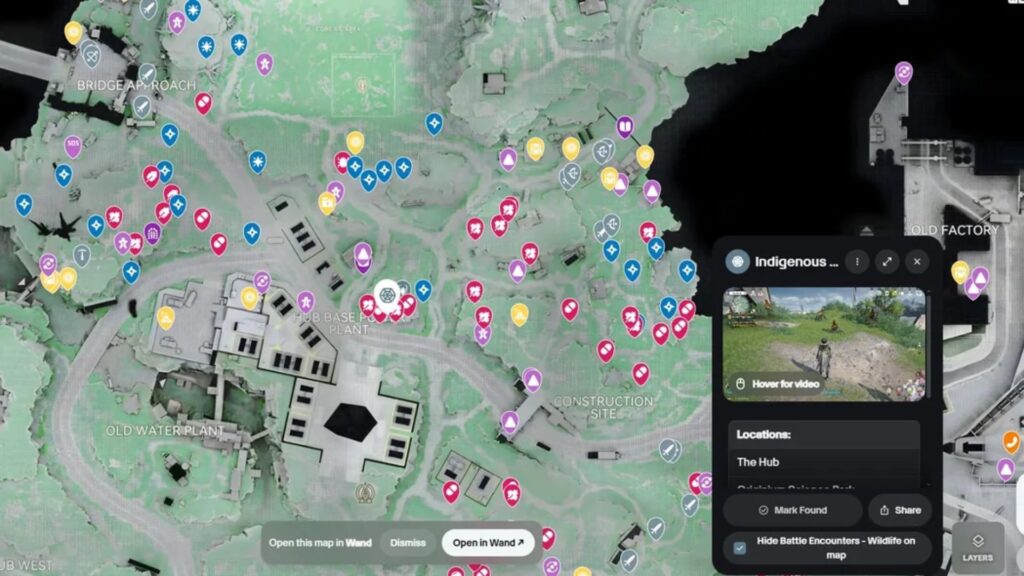
Using map resources to identify collectible and resource locations before committing to infrastructure placement prevents costly reconstruction. Taking time to understand how water sources, Xiranite processing, and the Forge of the Sky interact saves confusion during factory development.
For comprehensive coverage of how Wuling fits into overall game progression including factory blueprints and daily routines, check out the ultimate Arknights: Endfield guide covering every system from early game through endgame optimization.