



Sometimes the most telling answers are the ones that reveal what a studio cannot do rather than what it chooses not to do.
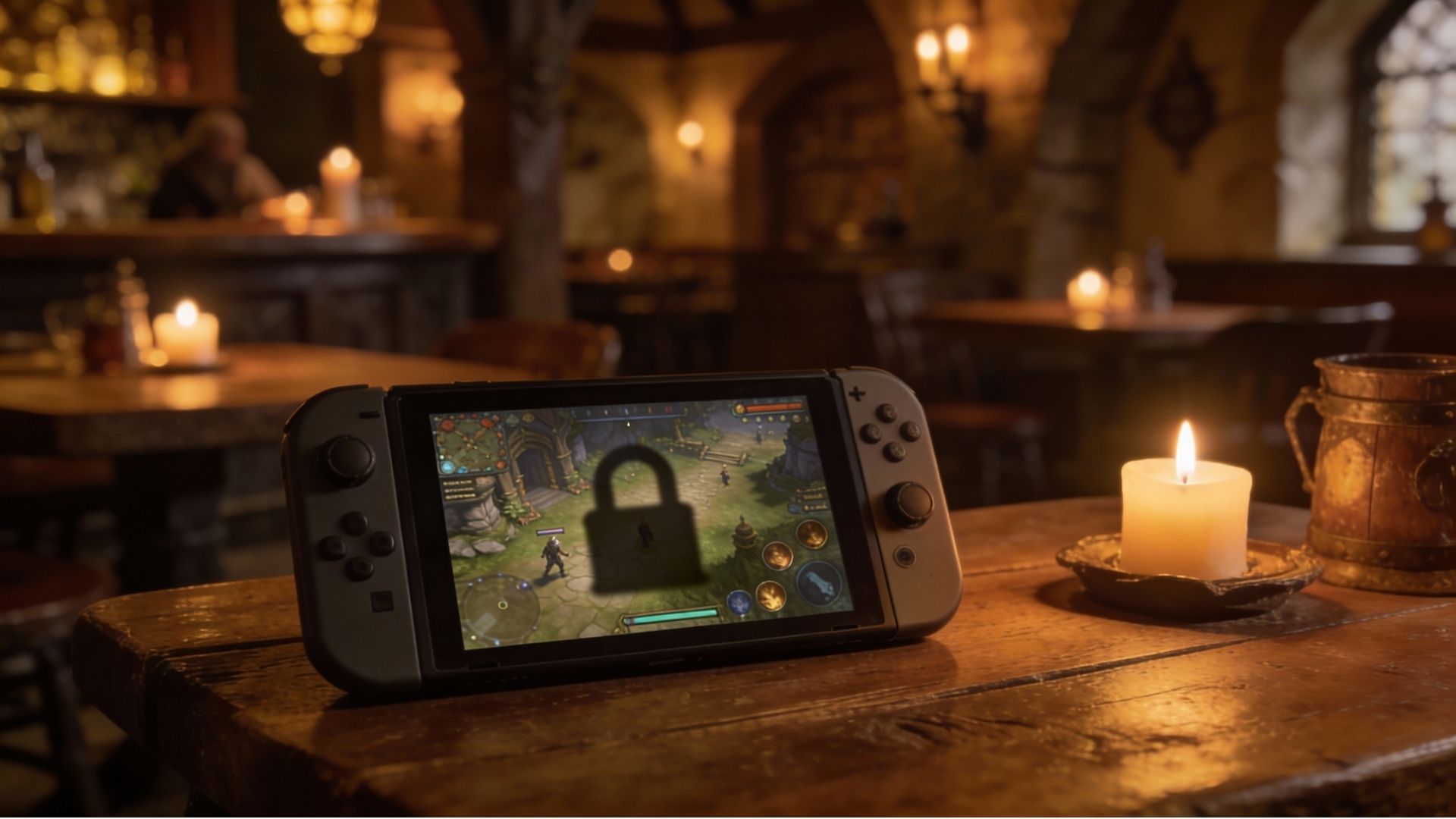
Larian Studios confirmed during a recent Reddit AMA that Baldur’s Gate 3 will not be making the jump to Nintendo’s Switch 2, despite the handheld’s impressive capabilities and the obvious market demand. But the reasoning game director Swen Vincke provided hints at complications far more interesting than technical limitations. “We would have loved to but it wasn’t our decision to make,” Vincke wrote, a carefully worded response that speaks volumes about the post-launch reality of working with licensed IP.
What Vincke’s answer actually reveals
The phrasing matters here. Vincke didn’t cite performance concerns, development costs, or resource allocation. He pointed to decision-making authority that Larian doesn’t possess. For a studio that just shipped one of the most technically ambitious RPGs ever made, the inability to port their own game suggests contractual constraints rather than capability gaps.
The likely culprit is Wizards of the Coast, the Hasbro subsidiary that owns the Dungeons & Dragons license underlying Baldur’s Gate 3. Larian’s relationship with Wizards soured notably after the game’s release. The studio canceled planned DLC, announced it would not pursue Baldur’s Gate 4, and publicly pivoted back to its original Divinity franchise. The separation wasn’t hostile in tone, but the creative divorce was unmistakable.
Porting a game to new platforms requires agreement from all rights holders. If Wizards of the Coast isn’t interested in facilitating additional Baldur’s Gate 3 releases, or if the terms they’d require make the effort uneconomical, Larian’s hands are tied regardless of their technical capabilities or market enthusiasm.
The divinity comparison makes it sting more
The timing of this news carries particular irony. Larian recently announced that Divinity: Original Sin II would receive ports to modern platforms including the Switch 2. That game, which Larian owns outright, can go wherever the studio wants to take it. The contrast highlights exactly what IP ownership means in practical terms.
Larian’s platform freedom comparison:
| Game | IP Ownership | Switch 2 Status |
|---|---|---|
| Divinity: Original Sin II | Larian owns fully | Coming to Switch 2 |
| Baldur’s Gate 3 | Licensed from Wizards of the Coast | Not coming to Switch 2 |
Players who experienced Baldur’s Gate 3 on Steam Deck know the game can run on handheld hardware when properly optimized. The Switch 2’s upgraded specifications should theoretically handle the load. Technical feasibility isn’t the barrier here. Business relationships are.
What this means for licensed game development
The situation illustrates a tension that runs through the entire licensed gaming space. Studios pour years of work into games built on borrowed IP, only to find their creative and commercial options constrained by partners whose priorities may not align.
Larian built something extraordinary with Baldur’s Gate 3. The game swept awards, sold millions of copies, and revitalized interest in a franchise that had been dormant for over two decades. By any reasonable measure, the studio delivered beyond expectations. Yet they cannot unilaterally decide to bring that work to new audiences on new platforms.
This dynamic influences how studios approach licensed projects from the start. The more successful a licensed game becomes, the more valuable ongoing platform support grows. But that value often accrues to IP holders who contributed brand recognition rather than development labor. Smart studios negotiate platform rights upfront. Others learn hard lessons after the fact.
The Switch 2 misses a flagship RPG
Nintendo’s new handheld loses a potential system seller in Baldur’s Gate 3. The RPG has proven its appeal to the exact audience that gravitates toward Nintendo platforms: players who value deep systems, memorable characters, and lengthy campaigns they can chip away at over months.
The Switch 2 library will be fine without it. Nintendo has never struggled to sell hardware. But the absence removes one more reason for players invested in other ecosystems to consider Nintendo’s offering. Every platform competes partly on exclusive access, and Baldur’s Gate 3 remaining unavailable on Switch 2 keeps those players elsewhere.
For Larian, the situation likely registers as frustrating rather than devastating. The studio has clearly moved on emotionally and strategically from the Baldur’s Gate chapter of their history. Their new Divinity project commands their attention now. But watching a game they’re proud of remain artificially constrained must sting, even if they’d never say so publicly.
The broader lesson about creative independence
Larian’s post-Baldur’s Gate trajectory reflects a studio that learned something important about where they want to operate. Returning to Divinity means returning to full creative and commercial control. No licensing partners to satisfy. No approval processes for ports or updates. No carefully worded Reddit responses explaining why decisions aren’t theirs to make.
The trade-off is brand recognition. Dungeons & Dragons carries cultural weight that original IP cannot replicate overnight. Baldur’s Gate 3 benefited enormously from that association, reaching audiences who might never have tried an isometric RPG from a Belgian studio they’d never heard of.
Whether Larian’s next Divinity game can match that commercial performance without the D&D name remains the central question of their future. They’ve bet that creative freedom outweighs licensing leverage. The industry will be watching to see if that bet pays off.
Do you think licensed games are worth the creative constraints they impose, or should more studios prioritize original IP ownership like Larian is now doing?