



The Game Awards darling just lost some of its shine, and the reason cuts to the heart of gaming’s most contentious debate.
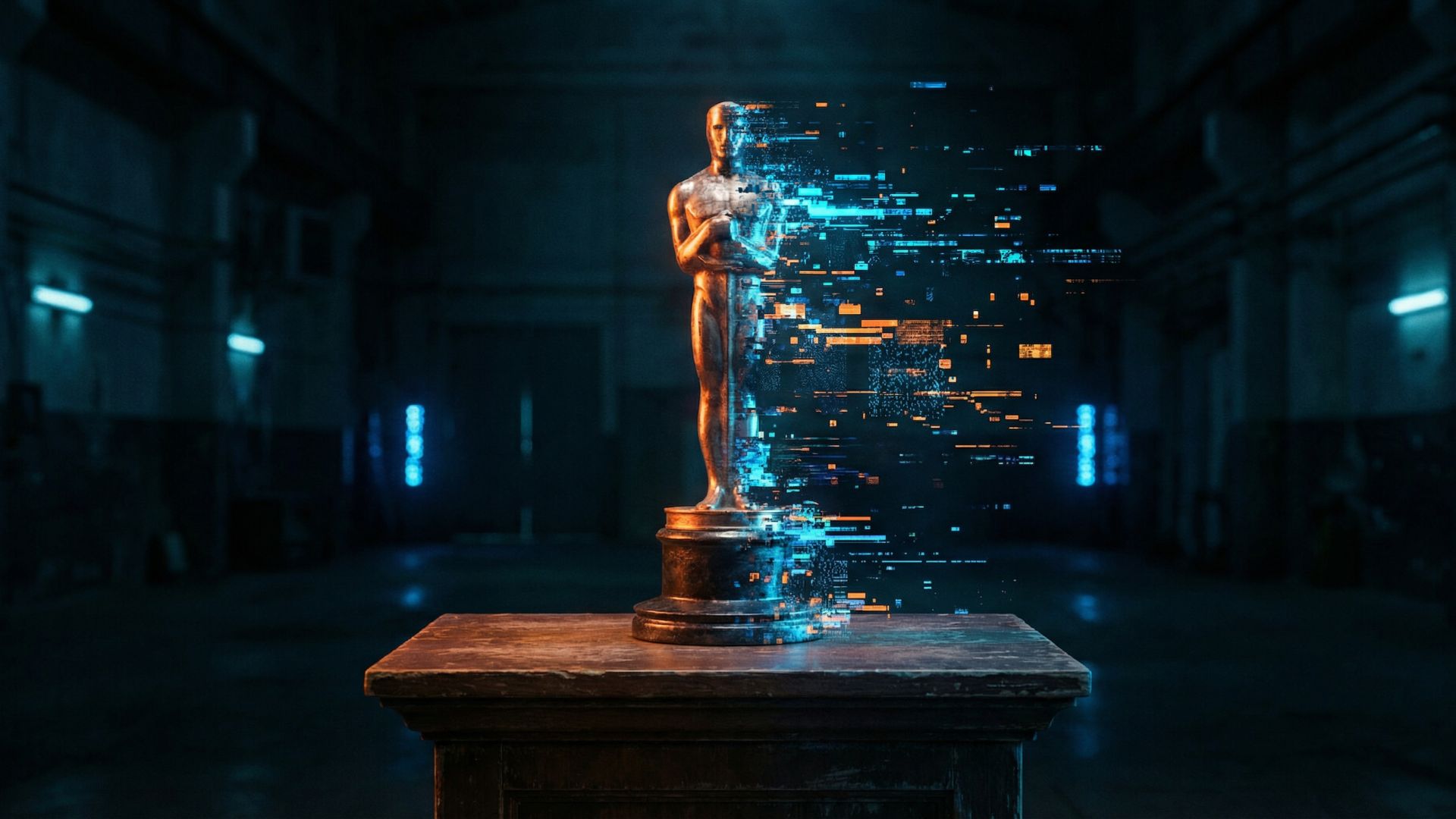
Clair Obscur: Expedition 33, the Belgian RPG that swept through award season like a force of nature, has been retroactively disqualified from two Indie Game Awards honors. The organization announced yesterday that both Game of the Year and Best Debut Game are being rescinded following confirmation that generative AI tools were used during development. This marks one of the most high-profile consequences yet for AI usage in game development, and it signals that at least some corners of the industry are drawing hard lines.
What happened and why it matters
The Indie Game Awards initially presented Sandfall Interactive with their top honors on December 18th, celebrating the studio’s meteoric rise from obscurity to industry phenomenon. Less than a week later, those accolades vanished.
Mike Towndrow of the IGA nomination committee explained the decision in a video posted to Bluesky, stating plainly that the organization maintains “a hard stance against gen AI in videogames.” According to Towndrow, Sandfall Interactive had previously agreed that no generative AI was used when submitting the game for consideration. That agreement apparently didn’t hold.
The timeline reveals a story that unfolded gradually over months:
| Date | Event |
|---|---|
| April 2025 | Clair Obscur releases, fans spot suspicious textures |
| Shortly after launch | Patch removes “placeholder texture” flagged by community |
| June 2025 | Studio cofounder admits to using “some AI, but not much” in El País interview |
| December 18 | IGA awards Game of the Year and Best Debut Game |
| December 2025 | IGA rescinds both awards following AI confirmation |
The suspicious textures spotted by eagle-eyed fans days after release proved to be the first crack in the narrative. When Sandfall quietly patched them out, describing the offending assets as placeholders, skepticism grew. The June interview with El País, where cofounder François Meurisse acknowledged AI usage before the article was subsequently updated to claim otherwise, added fuel to concerns.
The new winners and what this signals
With Clair Obscur disqualified, the Indie Game Awards have named new recipients for both categories. Sorry We’re Closed now claims Best Debut Game, while Blue Prince takes home Game of the Year.
Both titles represent the kind of handcrafted artistry that independent game awards typically celebrate. Their elevation following this controversy carries additional symbolic weight, positioning them as examples of development approaches the IGA committee actively wants to promote.
Revised IGA Winners:
| Category | Original Winner | New Winner |
|---|---|---|
| Game of the Year | Clair Obscur: Expedition 33 | Blue Prince |
| Best Debut Game | Clair Obscur: Expedition 33 | Sorry We’re Closed |
The decision sends an unmistakable message about values within certain industry circles. Whether other award bodies follow suit remains to be seen, but the IGA has established a precedent that developers submitting for consideration should expect scrutiny regarding AI tool usage.
The bigger picture: an industry divided
This controversy doesn’t exist in isolation. Generative AI has become gaming’s most polarizing topic, splitting the industry between those who view it as an inevitable efficiency tool and those who consider it an existential threat to creative jobs and artistic integrity.
The debate intensifies when examining how major studios approach the technology. Ubisoft has already allowed AI-generated content to appear in final builds, opting to address issues only after community detection. Larian Studios, developers behind Baldur’s Gate 3 and the upcoming Divinity sequel, have openly discussed using generative AI in their development pipeline.
When industry giants operate this transparently with AI tools, the question becomes whether smaller studios face disproportionate consequences for similar practices. A team of thirty developers in Belgium gets trophies revoked while massive corporations integrate the same technology with minimal backlash. The optics create uncomfortable conversations about who bears responsibility for industry-wide shifts.
The “indie” question nobody asked
Lost somewhat in the AI controversy is a separate question: should Clair Obscur have qualified for indie awards at all?
The game’s production values, voice cast featuring performers like Andy Serkis, and overall scope place it firmly in “AA” territory rather than traditional independent development. The distinction matters because indie awards theoretically celebrate what smaller teams achieve with limited resources, not what ambitious studios accomplish with significant investment.
This debate predates the AI controversy and will likely outlast it. The gaming industry has never settled on clear definitions separating indie from AA from AAA development. Budget thresholds, team sizes, and publisher involvement all factor differently depending on who’s drawing the lines.
For the IGA, generative AI clearly superseded any concerns about category appropriateness. The disqualification addresses tool usage rather than studio scale, suggesting that even games fitting traditional indie definitions would face similar consequences for AI integration.
What this means for developers
Studios watching this unfold should take careful notes. Award submissions increasingly require transparency about development methods, and organizations like the IGA are willing to enforce consequences retroactively when discrepancies emerge.
The challenge lies in defining what constitutes problematic AI usage. Does concept art generation count? Reference material? Placeholder assets intended for replacement? The boundaries remain frustratingly unclear, creating risk for developers who integrate any AI tools into workflows.
Sandfall’s situation demonstrates that community detection often precedes official confirmation. Fans spotted suspicious textures within days of release, creating pressure that eventually forced acknowledgment. In an era where every frame gets scrutinized by millions of players, hiding AI-generated content proves increasingly difficult.
Developer Considerations Moving Forward:
| Risk Factor | Potential Consequence |
|---|---|
| AI-generated textures | Community detection, award disqualification |
| Submission misrepresentation | Retroactive disqualification, reputation damage |
| Unclear AI policies | Inconsistent enforcement across organizations |
| Major studio AI usage | Potential normalization or continued controversy |
The awards clair obscur keeps
Important context: the Indie Game Awards represent two trophies among many. Clair Obscur’s Game Awards sweep, including Game of the Year, Best Narrative, Best Game Direction, and multiple other honors, remains intact. Those ceremonies apparently didn’t impose similar AI restrictions or didn’t investigate usage with the same rigor.
This inconsistency highlights the fragmented nature of gaming awards. Each organization sets independent criteria, creating situations where the same game qualifies as both celebrated masterpiece and disqualified controversy depending on which stage it occupies.
For Sandfall Interactive, the lost IGA trophies represent a small fraction of their 2025 recognition. The studio’s debut still stands as one of the year’s most successful releases by virtually every other measure. Whether this controversy affects their reputation long-term or fades as a minor footnote remains to be seen.
The conversation nobody wants to have
Here’s the uncomfortable truth lurking beneath this entire situation: generative AI isn’t going away, and the industry hasn’t figured out how to handle it.
Major publishers are integrating these tools at accelerating rates. Development costs keep rising while budgets face pressure. Teams look for efficiency wherever possible. The economic incentives pushing toward AI adoption aren’t disappearing because indie award bodies disapprove.
At the same time, creative workers rightfully worry about job displacement. Artists, writers, voice actors, and designers see AI tools improving rapidly, potentially threatening livelihoods built over years of skill development. Their concerns deserve serious engagement rather than dismissal as technological inevitability.
The IGA decision represents one organization taking a firm stance in an industry that largely hasn’t. Whether that stance spreads or remains an outlier depends on how the broader community responds.
Clair Obscur: Expedition 33 will be remembered for many things: its emotional storytelling, its innovative combat system, its stunning visuals, and its Game Awards dominance. Now it also carries the distinction of losing awards over AI usage, a footnote that says as much about gaming’s current moment as it does about one studio’s choices.
Do you think award organizations should disqualify games for any generative AI usage, or should the line depend on how extensively the technology was employed?