




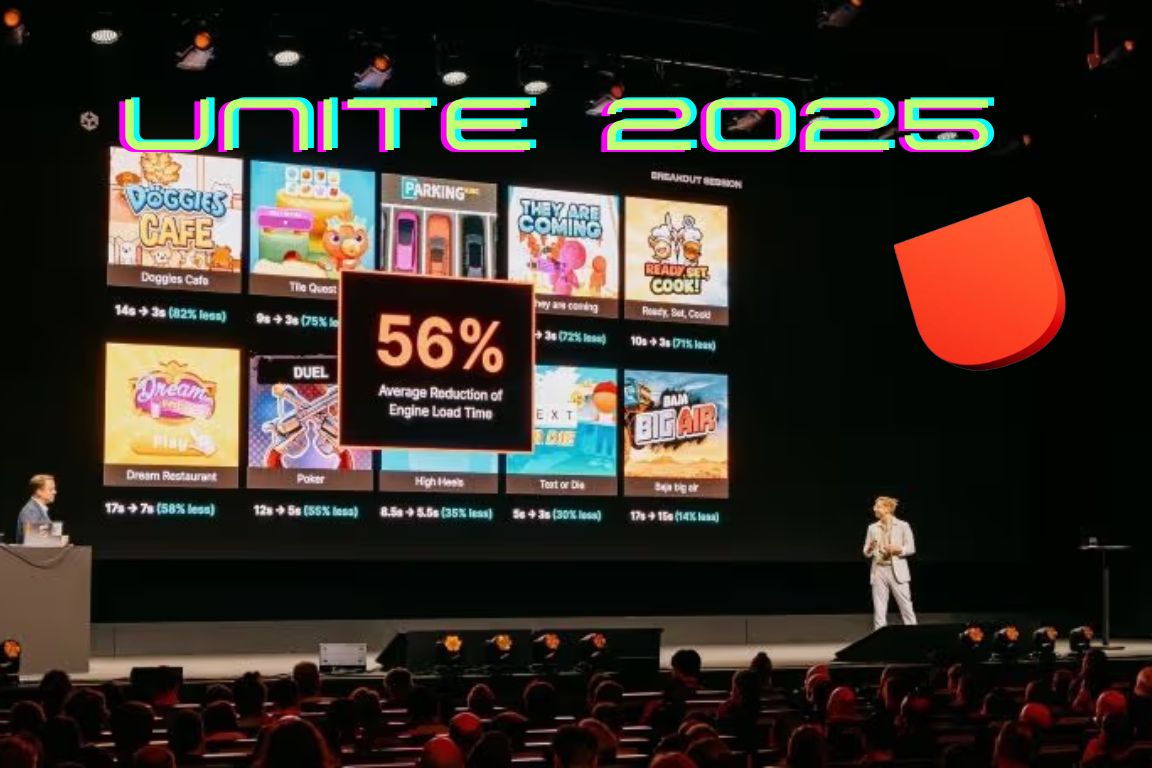
When the world’s most ubiquitous game engine brings its annual pilgrimage back to Europe this November, it represents more than just another industry conference. Unite 2025 marks a deliberate return to in-person connection after years of digital transformation fundamentally altered how developers collaborate, learn, and build relationships within the gaming ecosystem. This isn’t simply Unity Technologies hosting another promotional event. It’s a barometer for whether physical gatherings still hold value in an era where remote work and online resources have made geographic proximity seem increasingly optional.
The two-day conference scheduled for November 19-20 arrives at a fascinating inflection point for game development. Unity engine powers everything from mobile hits to console blockbusters, with creator communities spanning independent solo developers to massive AAA studios. Yet despite this technological democratization that theoretically eliminates barriers, the hunger for face-to-face interaction has only intensified. Unite 2025 bets heavily on this paradox, that the same developers who’ve mastered remote collaboration still crave physical spaces where ideas collide unpredictably.
The evolution of Unite as industry institution
Unite conferences have transformed dramatically since their inception, evolving from straightforward technical showcases into sprawling celebrations of creativity that happen to center around a specific development platform. Early editions focused primarily on feature announcements and engine capabilities, treating attendees as customers receiving product updates. Modern Unite events position themselves as community gatherings where the platform becomes context rather than exclusive focus.
This shift reflects Unity’s maturation from scrappy underdog challenging established engines to industry-standard tool shaping how millions experience interactive entertainment. The conference programming mirrors this evolution, expanding beyond pure technical deep dives to encompass artistic processes, business strategies, publishing relationships, and the cultural implications of democratized creation tools.
The decision to bring Unite back to Europe specifically acknowledges the region’s distinctive development culture. European game studios have pioneered approaches to narrative design, experimental mechanics, and artistic expression that differ notably from North American or Asian development philosophies. Hosting Unite in this geographic context influences which projects get showcased, which speakers get platforms, and which conversations dominate hallway networking.
What makes physical conferences still matter
The pricing structure ranging from free to $200 reveals Unite’s attempt to balance accessibility against sustainability. Free tiers typically provide access to keynote presentations and exhibition floors, while paid registrations unlock specialized workshops, extended networking opportunities, and deeper technical sessions. This tiered approach acknowledges that different attendees extract value from different conference elements.
The B2B designation indicates Unite primarily targets professional developers rather than enthusiast consumers, though the line between these categories blurs continuously. Independent developers building passion projects exist simultaneously as hobbyists and business entities. Students attending to learn occupy strange positions as future professionals without current industry standing. The B2B framing sets expectations around content depth and networking intentions without excluding anyone genuinely interested in Unity development.
Deep dives and breakout sessions as knowledge transfer
The promised deep dives represent Unite’s core educational value proposition. These extended technical sessions allow experienced developers to share hard-won expertise about optimizing performance, implementing complex systems, or navigating common pitfalls. Unlike online tutorials that present sanitized best practices, conference deep dives often expose the messy reality of development where solutions emerge through iteration and compromise.
Breakout sessions fragment attendees into specialized interest groups, creating intimate environments where specific topics receive focused attention. These smaller gatherings facilitate genuine dialogue rather than one-directional presentations, allowing participants to share experiences and collaboratively troubleshoot challenges. The networking value of finding others wrestling with identical problems often exceeds the formal content delivery.
Leading creators as community anchors
The emphasis on featuring leading game creators, developers, artists, and publishers recognizes that Unity’s strength derives from its user community rather than corporate engineering. Showcasing successful projects built with Unity serves multiple purposes simultaneously. It inspires attendees by demonstrating what’s possible, provides concrete case studies for learning, and validates Unity’s capabilities through third-party results rather than self-promotion.
Publisher presence at Unite creates interesting dynamics. These companies attend seeking talented developers and promising projects while developers seek publishing deals and industry insights. This mutual interest generates productive conversations that might never occur through cold emails or online portfolios. Physical proximity reduces friction in forming relationships that could evolve into business partnerships.
Networking as the unquantifiable advantage
Conference organizers invariably emphasize networking opportunities because genuine connections remain impossibly difficult to manufacture or predict. The scheduled networking sessions provide structured environments for meeting fellow attendees, but the most valuable interactions often occur spontaneously during coffee breaks, waiting for sessions to begin, or at unofficial after-parties.
These serendipitous encounters can’t happen via Discord servers or Twitter threads despite those platforms theoretically connecting anyone globally. Physical presence creates accountability and sustained engagement that digital interactions rarely achieve. Someone you met for thirty minutes at a conference becomes a real person you feel comfortable reaching out to months later when facing problems they might help solve.
The early-bird registration incentive rewards commitment while helping organizers gauge attendance for planning purposes. Lower prices encourage fence-sitters to commit earlier, creating momentum that feeds on itself as more attendees attract more speakers and exhibitors in virtuous cycles.
Europe as strategic geography
Hosting in Europe positions Unite to capture development talent that might skip North American or Asian conferences due to travel costs and visa complications. The European game development scene has exploded over the past decade, with clusters of innovation emerging in Nordic countries, Germany, France, Poland, and beyond. Bringing Unite to this ecosystem acknowledges these regions’ contributions while making the event accessible to developers who might otherwise remain isolated from broader industry conversations.
The onsite nature eliminates the hybrid format complications that plagued pandemic-era conferences. Everyone occupies the same physical space, eliminating the two-tiered experience where remote attendees receive diminished versions of content and zero networking opportunities. This all-or-nothing approach creates more cohesive community feeling even if it excludes those unable to travel.
As Unity continues evolving its engine and business model amid industry turbulence and competitive pressures, Unite 2025 serves as crucial touchpoint for maintaining developer goodwill and community cohesion. The conference becomes performance art demonstrating Unity’s commitment to the humans using their tools rather than treating them as statistics in quarterly earnings reports.
Whether two days of sessions, networking, and exhibition halls justify travel expenses and time away from projects remains individual calculation. For some developers, a single conversation or technical insight gained makes the entire investment worthwhile. Others find more value in focused online learning and remote collaboration. Unite 2025’s success will partly depend on demonstrating that physical conferences still offer irreplaceable experiences despite technological alternatives.
Will you be attending Unite 2025 in Europe this November, or do you find remote resources and online communities provide everything you need for Unity development?