




Remember when you could practically set your watch by console releases? Those days are gone, and the PlayStation 5’s fifth birthday celebration arrives without even a whisper of its successor on the horizon. This dramatic shift in the gaming hardware landscape isn’t just a quirk of modern development. It’s a fundamental transformation in how the entire industry operates, and understanding why reveals fascinating truths about where interactive entertainment is heading.
The traditional console generation model that defined gaming from the 1990s through the early 2010s followed a predictable rhythm. Sony’s original PlayStation launched in the UK during September 1995, and almost exactly five years later, the PS2 arrived with revolutionary DVD playback and dramatically enhanced graphics. This pattern repeated across manufacturers, creating a reliable cadence that gamers, developers, and retailers could plan around. Fast forward to today, and that clockwork predictability has evaporated entirely.
The diminishing returns of technological leaps
Back during the 8-bit and 16-bit eras, each new console generation delivered immediately obvious improvements that anyone could appreciate within seconds of seeing gameplay. The jump from Nintendo Entertainment System to Super Nintendo meant vibrant colors, Mode 7 rotation effects, and dramatically richer soundtracks. PlayStation to PS2 brought full 3D environments that actually looked believable rather than blocky approximations of reality.
Modern hardware upgrades tell a different story entirely. The improvements between PlayStation 4 and PlayStation 5 certainly exist, featuring faster loading through solid-state drives, ray-tracing capabilities, and enhanced processing power. However, these advances register primarily on technical specification sheets rather than creating jaw-dropping visual differences that casual observers immediately notice. The technological ceiling has risen so high that pushing it further yields incremental refinements rather than revolutionary transformations.
This plateau effect means extending console lifespans makes economic and practical sense. Why invest billions into developing and manufacturing entirely new hardware when the current generation still delivers experiences that satisfy the vast majority of players? The PS5 has moved over 84 million units worldwide, demonstrating robust demand despite being five years into its lifecycle.
Game development timelines have exploded
Perhaps the most significant factor extending console generations hides in plain sight within development studios themselves. Creating modern AAA titles requires exponentially more resources, talent, and time than ever before. During the PlayStation 3 era, acclaimed developer Naughty Dog managed to release four complete games. That output dropped to three titles throughout the PS4’s lifespan, and thus far during the PS5 generation, they haven’t launched a single new game.
This pattern repeats across virtually every major studio. Rockstar Games, creators of the monumentally successful Grand Theft Auto series, recently pushed GTA 6’s release to November 2026. That means over a decade will have passed since GTA 5’s original launch, an unthinkable gap during previous console generations. When flagship titles require such extensive development periods, rushing out new hardware makes little strategic sense. Why launch fresh consoles before your premier content is ready to showcase their capabilities?
The upcoming release slate for PS5 illustrates this perfectly. Marvel’s Wolverine from Insomniac Games targets 2026, while Naughty Dog’s mysterious new project Intergalactic remains deep in development without firm release windows. These highly anticipated titles will serve as tentpole releases for the console potentially six or seven years into its lifecycle, timeframes that would have been inconceivable during the PS2 or PS3 eras.
Players are exploring more diverse libraries
Another fascinating trend contributing to extended console lifespans involves changing player behavior patterns. Data indicates that gamers now play approximately 50 percent more titles than they did during the previous generation. Rather than focusing exclusively on blockbuster releases, players increasingly branch out into indie games, unexpected surprises, and genres they might have previously ignored.
This diversification creates sustained engagement with existing hardware over longer periods. When your gaming library expands to encompass everything from massive open-world adventures to quirky experimental titles, the urgency for new hardware diminishes. The current console already provides access to an overwhelming catalog of experiences, many of which players haven’t even discovered yet.
The most-played games chart reinforces this point dramatically. Titles like Fortnite, Roblox, and Call of Duty Warzone dominate player engagement despite being many years old in some cases. These live-service experiences evolved on previous generation hardware and continue thriving without requiring cutting-edge specifications. When the games capturing the most attention don’t push technical boundaries, the pressure to advance hardware lessens considerably.
Cross-generation development has become standard practice
The first three years of the PS5’s existence featured relatively few exclusive titles that couldn’t also run on PS4. Major releases consistently targeted both platforms, allowing Sony to maximize their potential customer base while PS5 supply chain issues resolved themselves. This approach, once considered a compromise, has now become industry standard operating procedure.
Looking forward, this trend will likely continue even when Sony eventually announces their next console. The biggest launches accompanying that hypothetical PS6 will almost certainly remain playable on PS5 hardware, albeit with reduced visual fidelity or performance targets. Developers invest too much money and effort into their projects to limit them to the inevitably small install base of brand new hardware at launch.
This reality fundamentally alters what “next generation” even means. Rather than hard breaks between console eras, the industry has shifted toward a more gradual, rolling hardware model where older and newer devices coexist peacefully within the same ecosystem.
The handheld wild card
While Sony dominates the traditional home console market against Microsoft’s Xbox Series X and S, Nintendo’s hybrid approach has rewritten the rulebook entirely. The Switch became the third best-selling console in history by blurring the lines between portable and home gaming. Its successor, the Switch 2, moved 10 million units within mere months of its June 2025 launch, demonstrating insatiable demand for gaming experiences that adapt to different contexts.
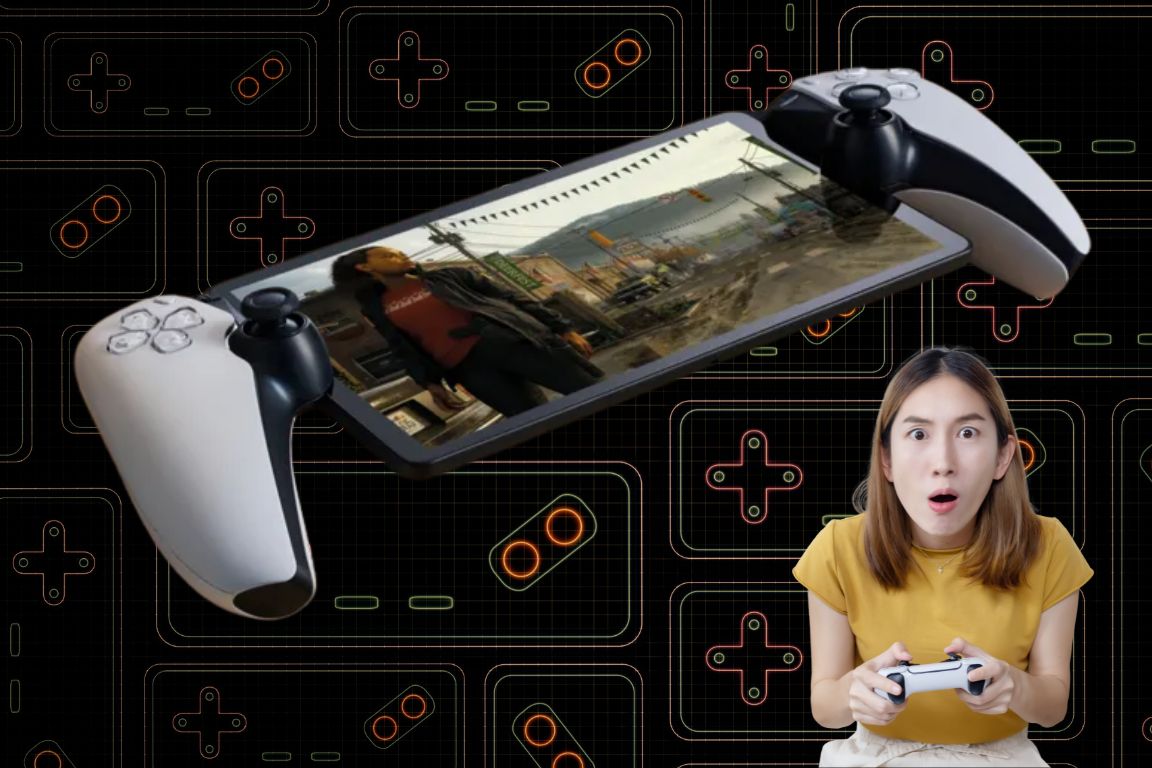
Sony hasn’t conceded this space despite not producing a true handheld successor to the PlayStation Vita. The PlayStation Portal, an accessory that streams games from your existing PS5 to a handheld screen, exceeded internal sales projections and continues performing strongly. While not a standalone portable console, Portal indicates Sony recognizes the value of flexible gaming solutions beyond the traditional living room setup.
Multimedia expansion creates new revenue streams
PlayStation’s aggressive push into television and film production adds another dimension to the longer console cycle equation. Successful adaptations like The Last of Us series introduce characters and worlds to audiences who might never have picked up a controller. These viewers then potentially become new customers for the gaming hardware, creating a virtuous cycle where different media formats feed into each other.
With season three of The Last of Us in production alongside upcoming shows based on God of War and Ghost of Tsushima, PlayStation has constructed an entertainment empire extending far beyond console sales. This diversification reduces pressure to constantly churn out new hardware, as the brand maintains relevance and generates revenue through multiple channels simultaneously.
What this means for the future
The death of predictable console cycles represents maturation of the gaming industry rather than stagnation. Rather than arbitrary hardware refreshes every five years, manufacturers now focus on delivering compelling software experiences that justify their platforms over extended periods. This patient approach benefits everyone involved: developers get stable targets to optimize for, players enjoy longer-lasting hardware investments, and manufacturers can focus resources on innovation rather than rushed iteration.
When the PlayStation 6 eventually materializes, probably sometime in 2027 or beyond, it won’t represent the same kind of clean break that previous generations established. Instead, expect gradual transitions where PS5 and PS6 coexist for years, sharing libraries and services while offering different performance tiers. The concept of discrete console generations is fading, replaced by a more fluid ecosystem that prioritizes accessibility and continuity over artificial boundaries.
This evolution might feel uncomfortable for those who fondly remember the excitement of clearly defined generational leaps. However, it reflects a gaming landscape that has grown vastly more complex, sophisticated, and inclusive than the relatively simple hardware races of decades past. The PS5’s extended reign doesn’t signal complacency but rather confidence in a platform that still has meaningful contributions to make.
Do you prefer the old five-year console cycle, or does the current extended generation model give you more value from your hardware investment?