




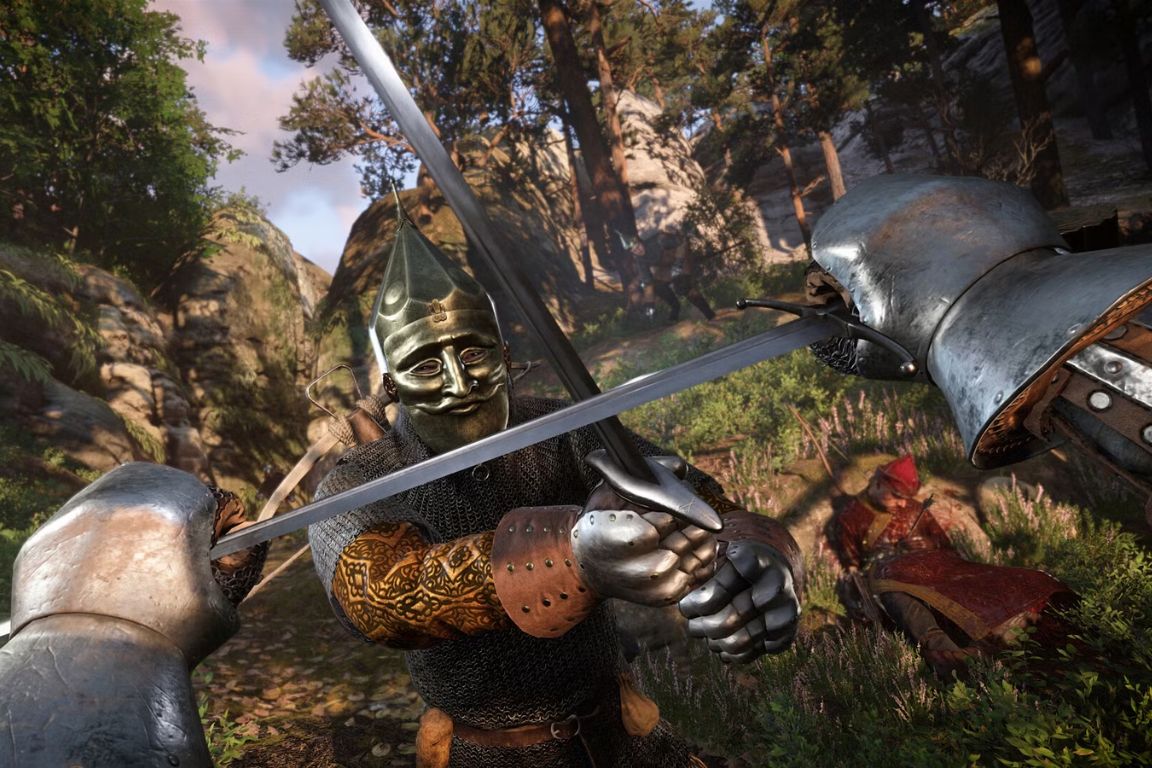
The gauntlet has been thrown. Fresh off Kingdom Come: Deliverance 2’s critical success, which scored an exceptional 90 in recent evaluations, Czech developer Warhorse Studios announced audacious ambitions during a preview event for their latest expansion. Communications director Tobias Stolz-Zwilling minced no words: the studio intends to seize the RPG crown and wear it proudly.
This declaration arrives alongside Mysteria Ecclesiae, the newest downloadable content that transforms protagonist Henry into a medieval investigator within Sedletz Monastery’s cloistered walls. Early reception on Steam leans positive, with enthusiasts labeling it “the best DLC so far,” though sample size remains limited in these opening hours.
Warhorse’s confidence stems from what they perceive as a distinctive recipe for success. Stolz-Zwilling highlighted how their sophomore effort marries intricate quest architecture with responsive, open-world dynamics reminiscent of The Elder Scrolls 4: Oblivion’s emergent gameplay magic. This philosophy, according to the director, will anchor all future projects as the studio commits to crafting immersive roleplaying experiences.
The battlefield Warhorse seeks to dominate grows increasingly crowded with formidable opponents. Larian Studios, currently wearing the RPG crown after Baldur’s Gate 3’s phenomenon, actively develops two unannounced titles. Meanwhile, Sandfall Interactive captured hearts with Clair Obscur: Expedition 33, their Final Fantasy-inspired debut that established them as immediate contenders worth monitoring.
Traditional powerhouses haven’t disappeared despite recent stumbles. Bethesda advances toward The Elder Scrolls 6, BioWare crafts another Mass Effect entry, and Obsidian Entertainment maintains their legendary consistency rate. Dismissing these established names would be premature, even as European studios currently outshine their output.
CD Projekt Red’s recent hiring decision speaks volumes about the competitive landscape. The Polish giant poached one of Kingdom Come Deliverance 2’s quest designers, validating Warhorse’s creative approach while simultaneously strengthening their own roster for The Witcher 4’s development. This transfer represents both acknowledgment and challenge: recognition that Warhorse belongs in elite company, tempered by the reality that talent flows toward perceived industry leaders.
What separates Warhorse’s vision from competitors? Their commitment to historical authenticity merged with systemic depth creates unique texture. Where fantasy RPGs lean on magic systems and mythical creatures, Kingdom Come grounds players in meticulous period recreation, forcing engagement with medieval Bohemia’s social structures, combat realities, and moral complexities. This niche positioning could prove advantageous as audiences tire of conventional fantasy trappings.
The sophomore title’s improvements over its predecessor demonstrated Warhorse’s capacity for evolution. Technical polish increased dramatically, quest variety expanded, and the reactive world grew more sophisticated. If this trajectory continues, their third major project could indeed challenge genre definitions.
However, claiming the RPG throne requires more than one exceptional title. Consistency, innovation, and community cultivation separate pretenders from champions. Larian didn’t earn their reputation through Baldur’s Gate 3 alone; decades of steady output, transparent communication, and player respect built that foundation. Warhorse must demonstrate similar longevity.
Mysteria Ecclesiae’s murder mystery premise offers a testing ground for Warhorse’s narrative ambitions. Setting Henry loose in a monastery to investigate ecclesiastical intrigue during the 14th century provides fresh context while maintaining the series’ historical commitment. Success here could validate their approach to DLC support, crucial for maintaining engagement between major releases.
The studio’s boldness deserves applause even if skepticism remains warranted. RPG development demands massive resources, extended timelines, and tolerance for risk that few publishers support. Warhorse secured that backing through Kingdom Come’s unexpected success, proving historical realism could compete commercially with established fantasy franchises.
Whether Warhorse ultimately claims their desired throne matters less than the competition their ambition creates. A motivated challenger pushing boundaries benefits everyone, forcing established studios to justify their positions through quality rather than resting on legacy. The RPG space thrives when multiple teams vie for excellence, each pursuing distinct visions.
For now, Warhorse must prove their formula sustains beyond Kingdom Come’s universe. Can their approach to immersive simulation and reactive storytelling translate to different settings? Will they maintain technical standards while expanding scope? These questions await answers in whatever mysterious project currently occupies their development pipeline.
The monarchy Warhorse seeks doesn’t crown passive inheritors. RPG leadership demands constant innovation, understanding player desires before they articulate them, and courage to pursue creative risks when safer paths beckon. Stolz-Zwilling’s declaration signals intent, but actions across coming years will determine whether coronation follows or if another contender seizes the throne first.