




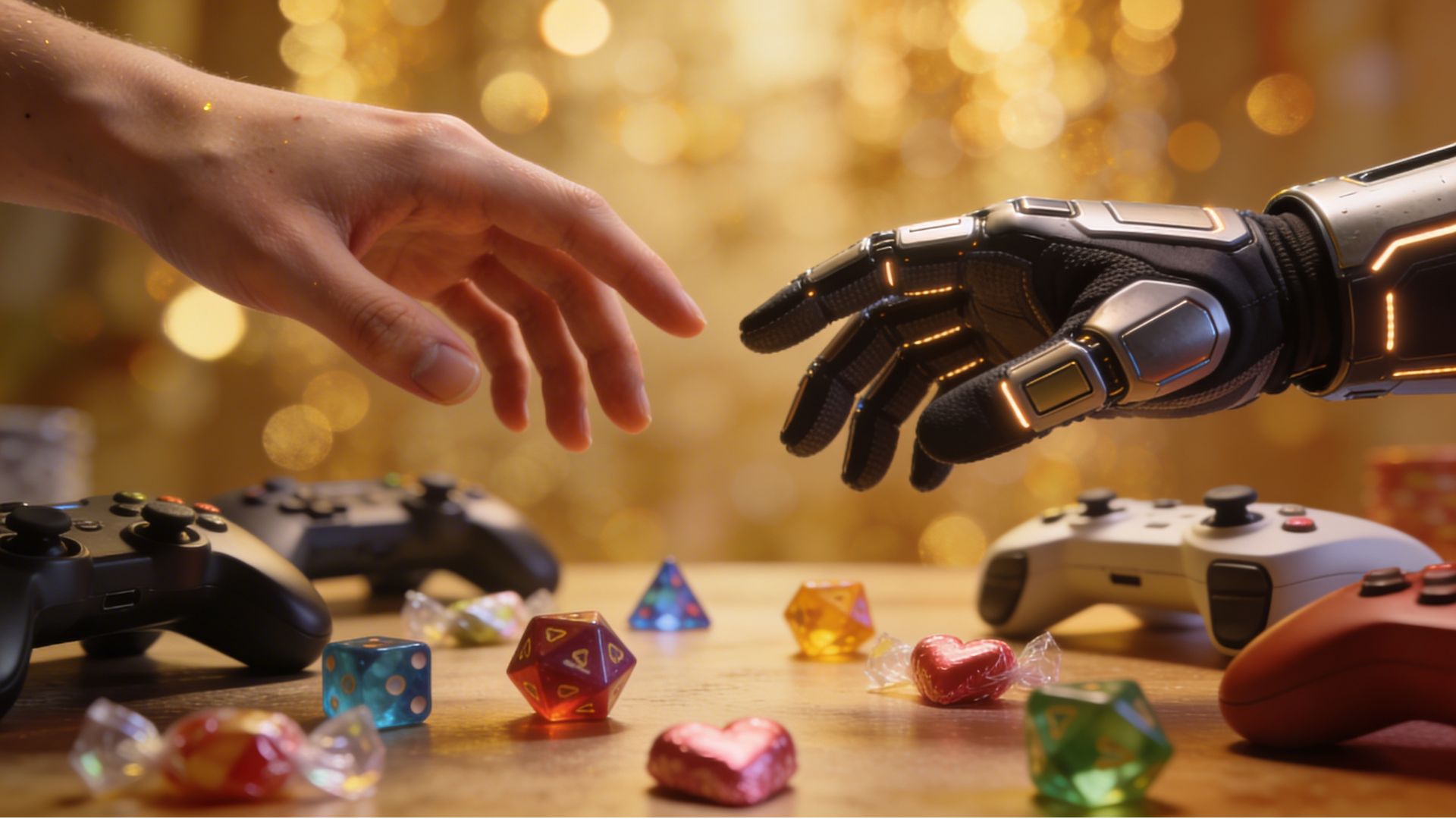
Somewhere between the heart-shaped chocolate sales and the dinner reservation panic, a quieter Valentine’s tradition has taken root in gaming culture. Every February, the quizzes arrive. “Which video game character is your soulmate?” “Which RPG romance option matches your personality?” “Build a date and we’ll tell you your perfect gaming companion.” It’s seasonal content comfort food, and in 2026, it’s worth asking why it works so well and what it reveals about how players actually connect with games.
Romance Options Aren’t a Feature Anymore. They’re an Expectation.
The trajectory is clear if you trace it back far enough. In the early 2000s, romance in games was a novelty, a surprising side path in BioWare RPGs that made headlines specifically because it was unusual. Mass Effect’s relationship system was considered bold. The awkward intimacy scenes in the original trilogy generated actual news coverage, congressional concern, and a lot of Fox News segments that aged poorly.
Fast forward to now. Romance mechanics are a baseline expectation in any RPG with companion characters. Baldur’s Gate 3 shipped with romance options so detailed that players spent more time discussing relationship dynamics than combat builds during the first month of release. Stardew Valley’s dating system is more recognizable to most players than its actual farming loop. Persona, Fire Emblem, Hades, even survival games like Palworld have leaned into companion bonding as a core retention tool.
The shift isn’t just about player preference. It’s about engagement math. Romance systems create emotional stakes that keep players coming back. A good combat system gives you reasons to play. A compelling relationship gives you reasons to care.
Why Valentine’s Quizzes Hit Different in Gaming
The “which character is your soulmate” format is simple, almost disposable content on the surface. Answer eight questions about your ideal date, your music taste, your dealbreakers, and get matched with Garrus Vakarian or Sebastian from Stardew Valley. It’s lighthearted. It’s shareable. It works.
But the reason these quizzes circulate every February isn’t just because they’re fun. It’s because they tap into something games do better than any other entertainment medium: they let you form genuine emotional attachments to fictional people through shared experience. You didn’t just watch Garrus be loyal. You chose him. You built that relationship through dozens of hours of dialogue, decisions, and combat. The attachment is participatory in a way that film and television can’t replicate.
That’s why “which character is your soulmate” lands harder in gaming than “which Marvel character is your soulmate.” The player already has a relationship with these characters. The quiz is just giving them permission to name it out loud.
The Characters That Keep Showing Up
It’s worth noting which characters consistently dominate these Valentine’s lists year after year. The roster rarely changes much:
| Character | Game | Why They Persist |
|---|---|---|
| Garrus Vakarian | Mass Effect | Loyalty, humor, the calibrations meme |
| Tali’Zorah | Mass Effect | Vulnerability, devotion, fan-favorite arc |
| Sebastian | Stardew Valley | The “I can fix him” archetype |
| Astarion | Baldur’s Gate 3 | Complexity, charisma, massive fandom |
| Panam Palmer | Cyberpunk 2077 | Independence, warmth, road trip energy |
These characters share a common thread. They aren’t just attractive or well-written. They feel like they need you. The player isn’t just choosing a partner. They’re choosing someone whose story improves because of their involvement. That’s a powerful fantasy, and it’s one that games are uniquely positioned to deliver.
What This Tells Developers
Studios paying attention to Valentine’s engagement data already know this, but the seasonal romance content spike is a useful signal. Players want emotional depth. They want characters who react, who remember, who change. The games that invest in these systems don’t just sell better at launch. They generate the kind of sustained community engagement that keeps a title culturally relevant for years.
BioWare understood this early. Larian proved it at scale with Baldur’s Gate 3. ConcernedApe built an entire empire on it with Stardew Valley. The pattern is consistent enough that ignoring romance systems in a character-driven RPG in 2026 is arguably a strategic mistake.
The Valentine’s quizzes are silly. They’re supposed to be. But the emotional infrastructure they’re built on is anything but trivial. Players remember who they romanced in a game long after they’ve forgotten the final boss.
So the real question for developers heading into the next wave of RPGs: if your companions aren’t worth falling for, are they worth including at all?
Done With Pay-to-Win?
This One’s Different.
Open-world tactical RPG. No gacha traps. Cross-save across PS5, PC and Mobile. Your squad, your rules.